
Tayari News
Uncertainty surrounds the fate of Ugandan migrant worker Vicky Ajong, 33, in Syria after widespread social media reports claimed she had been killed—claims now disputed by a migrant rights organization representing her interests. Kyeyo Initiative Uganda, an organization advocating for the rights of Ugandan migrant workers abroad, says Ajong is alive but under detention, contrary to online posts suggesting she had been executed or repatriated.
The organization’s Executive Director, Kenneth Oloka, said Kyeyo Initiative secured powers of attorney to represent Ajong and has been relying on what he described as credible sources on the ground. “Much has been circulated on social media, including claims that she was killed or returned home, but our information indicates she is alive and in detention. If she had been killed, we would have received confirmation through our established channels,” Oloka said.
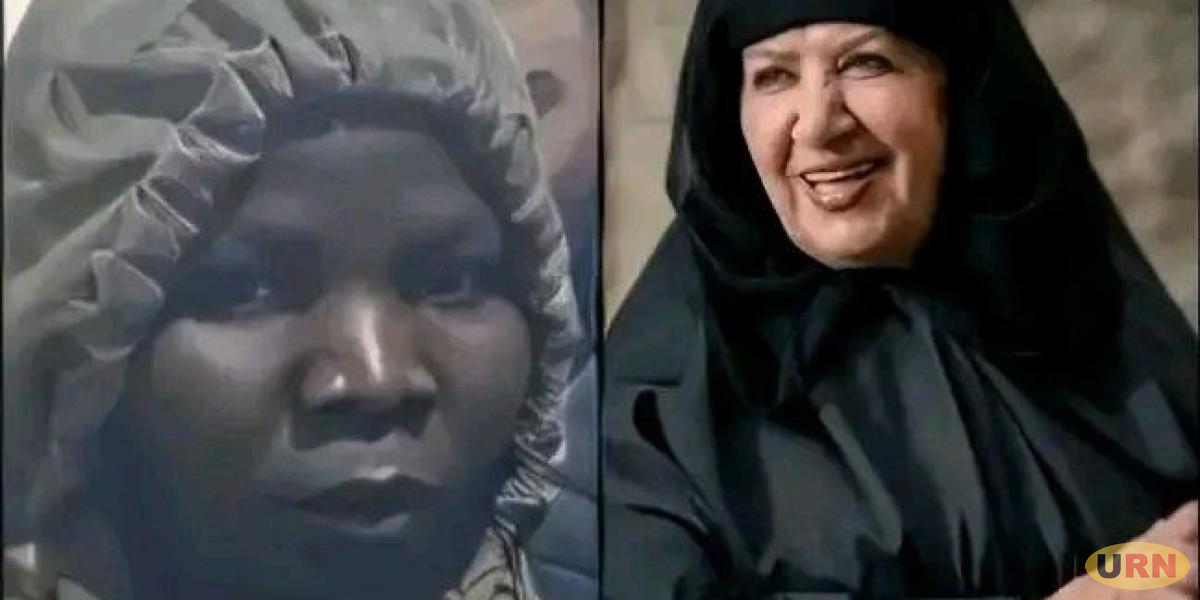
Ajong was reportedly arrested following allegations that she murdered her employer, identified as Huda Shaarawi, on January 29, 2026. Some online accounts claimed she had already been beheaded after being sentenced to death by Syrian courts. However, Oloka maintains that there is no verified information confirming that any death sentence has been carried out. He added that the organization has engaged Uganda’s Ministry of Foreign Affairs to push for Ajong’s protection and possible repatriation.
The case has sparked broader debate about the safety and legality of Ugandan migrant labour routes to conflict-affected countries. Migrant Workers Voice, an international migrant rights advocacy group, has raised concern over reports suggesting Ajong could face the death penalty without what it describes as a fair and transparent judicial process.
The organization argues that Uganda does not have a bilateral labour agreement with Syria, a factor it says makes the deployment of Ugandan workers to the country highly questionable under international labour and anti-trafficking frameworks. According to the group, transporting Ugandan workers to Syria could amount to human trafficking or forced labour, citing protections under international conventions such as the Palermo Protocol. It further contends that employment arrangements without formal contracts raise serious concerns about exploitation and abuse.
The organization is calling for a thorough investigation into the circumstances surrounding Ajong’s arrest, including whether she may have acted under duress or experienced mistreatment, conditions that advocacy groups say are common among vulnerable migrant domestic workers. ICT and National Guidance Minister Dr. Chris Baryomunsi said he was aware of the circulating reports but had not yet received verified details.
He pledged to engage both the Ministry of Foreign Affairs and the Ministry of Gender, Labour and Social Development to establish the facts. “As you know, Uganda has faced challenges involving migrant workers in the Middle East and other regions,” Baryomunsi said. He noted ongoing government efforts to streamline labour externalization, including plans to develop a digital tracking system intended to improve oversight and safety for Ugandans working abroad.
While he initially referenced reports of Ajong’s death, Baryomunsi emphasized that any government action would depend on confirmed information and could include diplomatic engagement and support to the family if necessary. He also addressed concerns about Ugandans reportedly stranded in Cambodia, saying the government remains committed to working through diplomatic channels to secure their welfare and safe return.
Ajong’s case has renewed scrutiny over migrant worker protections, recruitment oversight, and the risks faced by Ugandans seeking employment abroad—particularly in regions with limited legal safeguards.
-URN-