
Job Namanya | Tayari News
In a move to address the systemic barriers facing women and girls across the country, the Uganda National Bureau of Standards (UNBS) has announced a comprehensive push for policy reforms and strengthened quality standards in the menstrual health sector. The initiative, aimed at making safe menstrual products both accessible and affordable, marks a significant step forward in treating menstrual hygiene as a fundamental human right rather than a luxury.
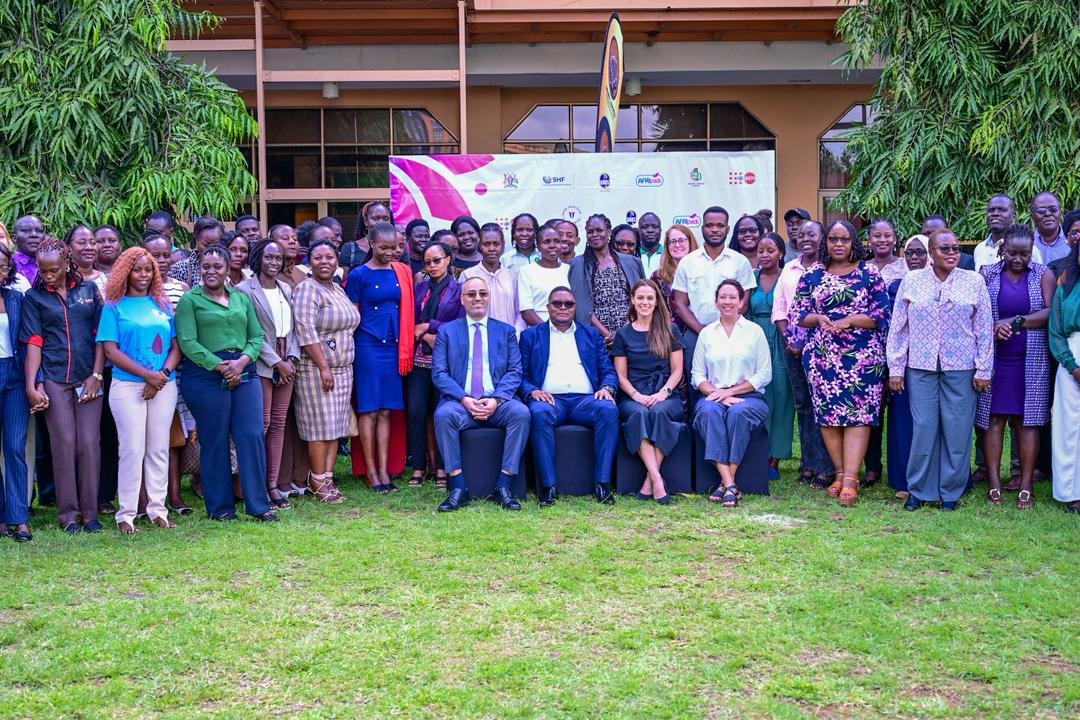
The announcement was the centerpiece of a high-level, two-day Menstrual Hygiene Symposium held in Kampala on April 8-9, 2026. Organized in collaboration with the United Nations Population Fund (UNFPA) and the Sanitation and Hygiene Fund, the event gathered over 100 stakeholders, including government officials, private sector innovators, civil society advocates, and development partners.
The urgency of the symposium was underscored by sobering data regarding the impact of menstrual poverty on education. Insights shared during the sessions revealed that a significant number of Ugandan girls continue to miss school due to a lack of affordable menstrual products and inadequate sanitation facilities. This “period poverty” not only hinders academic progress but also affects the long-term economic potential and dignity of young women.
Speaking at the event, Hajj Aziz Mukota, the Manager of Testing Services at UNBS, emphasized that ensuring the quality of these products is a matter of national importance.
“Menstrual health management is a matter of human rights, dignity, health, and gender equity. As UNBS, we are committed to ensuring that all menstrual products on the market comply with the relevant national standards,” Hajj Mukota stated.
To protect consumers from substandard goods, UNBS has developed a robust suite of national standards covering a wide variety of menstrual health solutions. These standards ensure that whether a consumer chooses a disposable or reusable option, the product is safe and effective.
Beyond domestic oversight, Uganda is now a vocal participant on the global stage. The country is actively contributing to the development of international menstrual product standards through its participation in ISO Technical Committee 338 (ISO/TC 338). Locally, this work is spearheaded by the UNBS Technical Committee on Textiles and Related Products (UNBS/TC 315).
Hajj Mukota reaffirmed that UNBS would continue to support this ecosystem by providing the necessary certification and enforcement to protect consumers while facilitating fair trade.
This initiative is not an isolated effort but part of a larger movement across the continent. The symposium is a key component of the “Menstrual Health & Hygiene: Unlocking Women’s Power“ programme. This regional initiative seeks to improve the policy and regulatory environments in multiple African countries, recognizing that menstrual health is a cornerstone of women’s empowerment.
As the government agency responsible for public health and safety, UNBS plays a vital role in this mission by ensuring that locally manufactured products bear the “Q mark”. This certification not only protects Ugandan citizens from harmful or substandard items but also enhances the competitiveness of Ugandan exports in regional and international markets.