Job Namanya | Tayari News
KABALE – Kabale Municipality is steadily transforming into a national stage of remembrance as final preparations intensify for the 45th Tarehe Sita celebrations scheduled for February 6, 2026. From synchronised military drills at the National Teachers College grounds to renewed attention on historical liberation sites, the Kigezi Sub-region is preparing to host an event that blends commemoration, development, and national reflection.
Tarehe Sita marks the February 6, 1981 attack on Kabamba Barracks, the opening chapter of the five-year liberation struggle that led to the rise of the National Resistance Movement government in 1986. This year’s anniversary is particularly significant, marking 45 years since the struggle began. According to organizers, Kigezi was selected as host in recognition of its critical role as a recruitment base and support hub for liberation forces.
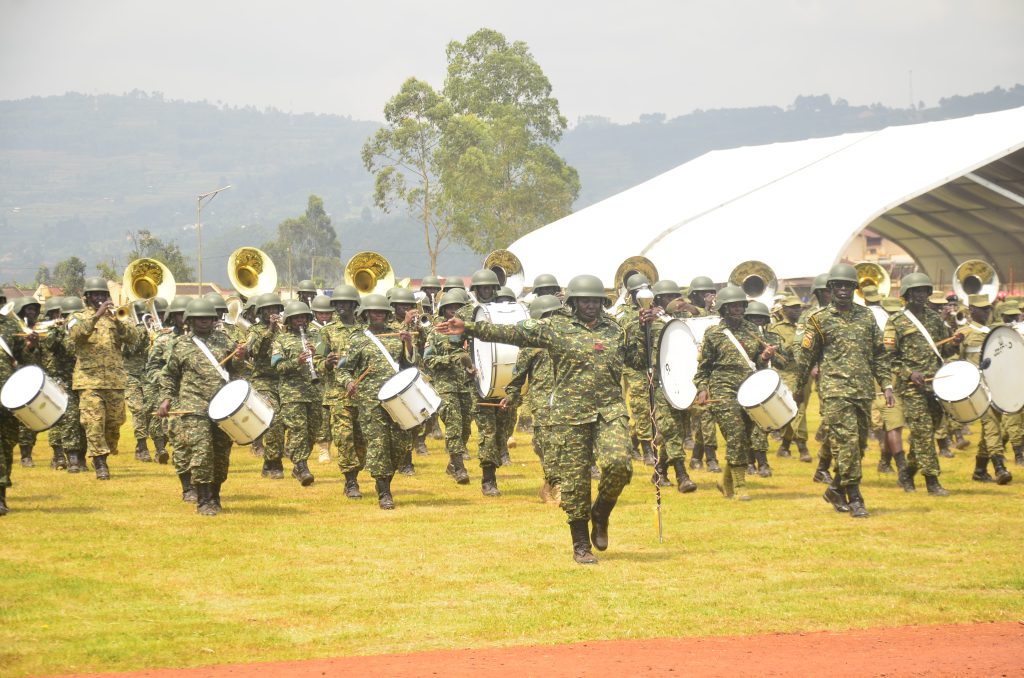
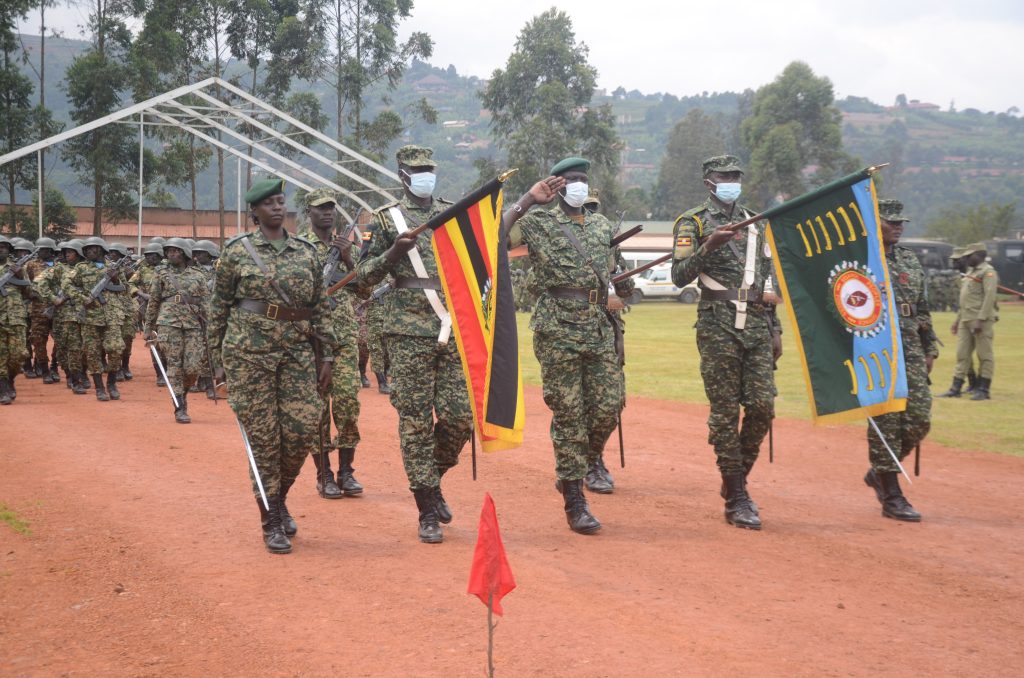
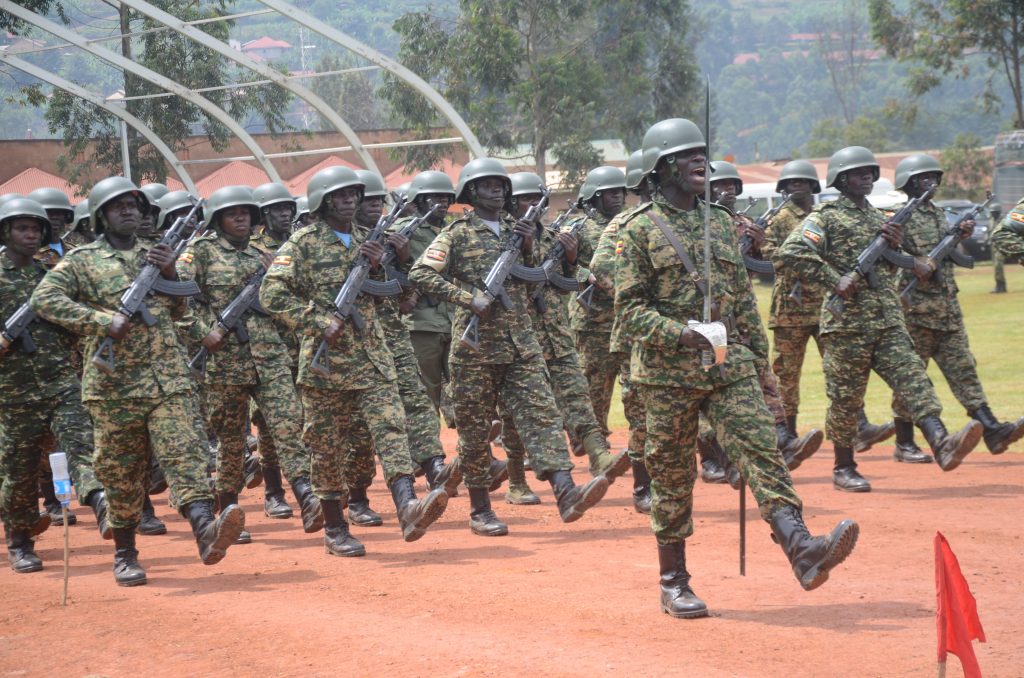
At the main venue in Kabale, soldiers of the Uganda People’s Defence Forces (UPDF) were, by press time, seen marching in formation as engineers, contractors, and civilian volunteers worked harder to complete final preparations. Other security agencies were conducting joint rehearsals, reflecting the scale and national importance of the celebrations.
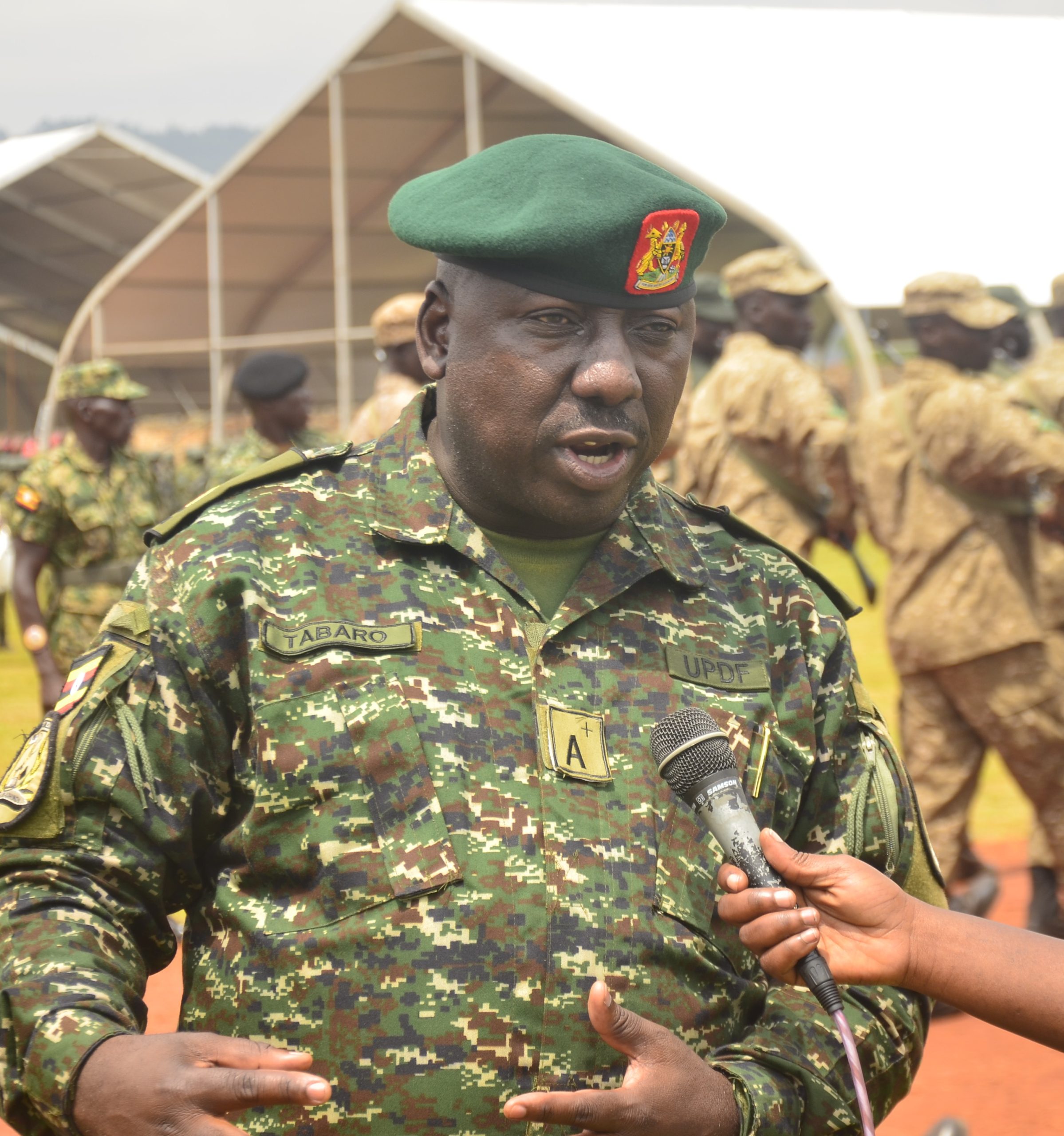
Speaking to Tayari at the venue, the UPDF Second Division spokesperson, Maj. Kiconco Tabaro, said preparations were at an advanced stage and on schedule.
“We are ready to host the nation. This celebration marks 45 years since the beginning of the liberation struggle, and we want it to reflect the sacrifices made, the unity achieved, and the progress Uganda has registered,” Major Tabaro said.
He confirmed that President Yoweri Kaguta Museveni is expected to preside over the national ceremony as chief guest.
Maj. Tabaro emphasised that hosting the celebrations in Kigezi carries deep historical meaning. “This region contributed immensely to the struggle not just in numbers, but in courage, intelligence, and support to the fighters. That history deserves recognition,” he said.
Beyond the Kabamba story, this year’s Tarehe Sita celebrations will also recognize earlier liberation efforts, particularly the contribution of the Front for National Salvation (FRONASA), one of the armed movements that resisted the regime of former president Idi Amin in the early 1970s.
As part of the commemorative activities, the UPDF will officially recognize FRONASA fighters who paid the ultimate price in the struggle against dictatorship. Among those to be honored are James Karambuzi, Joseph Bitwari, and David Kangire, who were executed by a firing squad at Kabale Municipal Stadium on February 10, 1973.
The three were accused by the Idi Amin regime of participating in the 1972 attack on Simba Barracks in Mbarara, a daring operation carried out by FRONASA as part of the rebellion against military rule. Their public execution at the stadium was intended to instill fear but instead became a symbol of resistance.
A state-of-the-art monument has now been erected at Kabale Municipal Stadium to mark the exact site where the three fighters were executed. According to UPDF officials, the monument is part of a broader effort to document and honor all phases of Uganda’s liberation history.
“The liberation struggle did not begin in 1981 alone. Groups like FRONASA laid the foundation. Recognizing these fighters is about telling the full story of Uganda’s journey to freedom,” Maj. Tabaro noted.
The monument has already attracted interest from residents and visitors, many of whom say it has revived memories of a painful but important chapter in the region’s history.
Preparations for Tarehe Sita have gone beyond symbolism to include extensive civil-military cooperation activities across Kabale, Kisoro, Rukungiri, Rukiga, Rubanda, and Kanungu districts. According to UPDF planners, more than 40 Quick Impact Projects have been implemented as part of the celebrations.
These include renovation of classroom blocks, construction and rehabilitation of health facilities, repair of boreholes, and improvements in community infrastructure. The projects have officially been handed over to local governments and communities.
“The goal is to ensure that Tarehe Sita leaves a lasting impact. These projects are a sign of appreciation to the people and a reminder that the army exists to serve the population,” Maj. Tabaro said.
The activities were launched in early December 2025 during regional ceremonies presided over by senior government leaders. The Prime Minister launched the programme in Kisoro District, while the Minister for Information and Communications Technology officiated in Kanungu District.
Local leaders say the preparations have brought tangible benefits. Rubanda District Chairperson Stephen Kasyaba described the projects as long overdue.
“Some of these schools and health centers were in poor condition. The UPDF interventions have improved service delivery and strengthened trust between the community and security agencies,” Kasyaba said.
Rukiga Resident District Commissioner Zadock Kamusiime said the process had also improved coordination and discipline.
“We have witnessed professionalism and community engagement throughout the preparations. It reflects the unity that Tarehe Sita represents,” Kamusiime said.
Public sanitation and health outreach have also been key components. Cleaning exercises were carried out in major town centres including Kabale, Kisoro, and Rukungiri, while free medical camps provided services ranging from general treatment to eye and dental care. According to UPDF medical teams, thousands of residents benefited, particularly in rural areas.
In addition, ideological and civic education sessions have been conducted for university students, youth leaders, and local officials, focusing on patriotism, peace, and national values, especially ahead of the electoral period.
The theme for the 2026 celebrations is “Defending the Gains of the Revolution and Honouring the Sacrifices of the Freedom Fighters: A Call for National Unity, Peace and Socio-Economic Transformation.”