
Enock Ndyamuhaki | Tayari News
KABALE – Veterans of the Front for National Salvation (FRONASA) in the Kigezi sub-region have expressed disappointment and anger over what they describe as their exclusion from recognition during the recently concluded 45th Tarehe Sita anniversary celebrations held in Kabale Municipality.
The veterans are now demanding special recognition from the government for their role in the liberation struggle that led the NRM government to power.
The concerns were raised on Wednesday during a press briefing held at White Horse Inn in Kabale town, where their leader addressed the media and outlined what they termed as a long-standing pattern of neglect and broken promises.
Unfulfilled promises of recognition
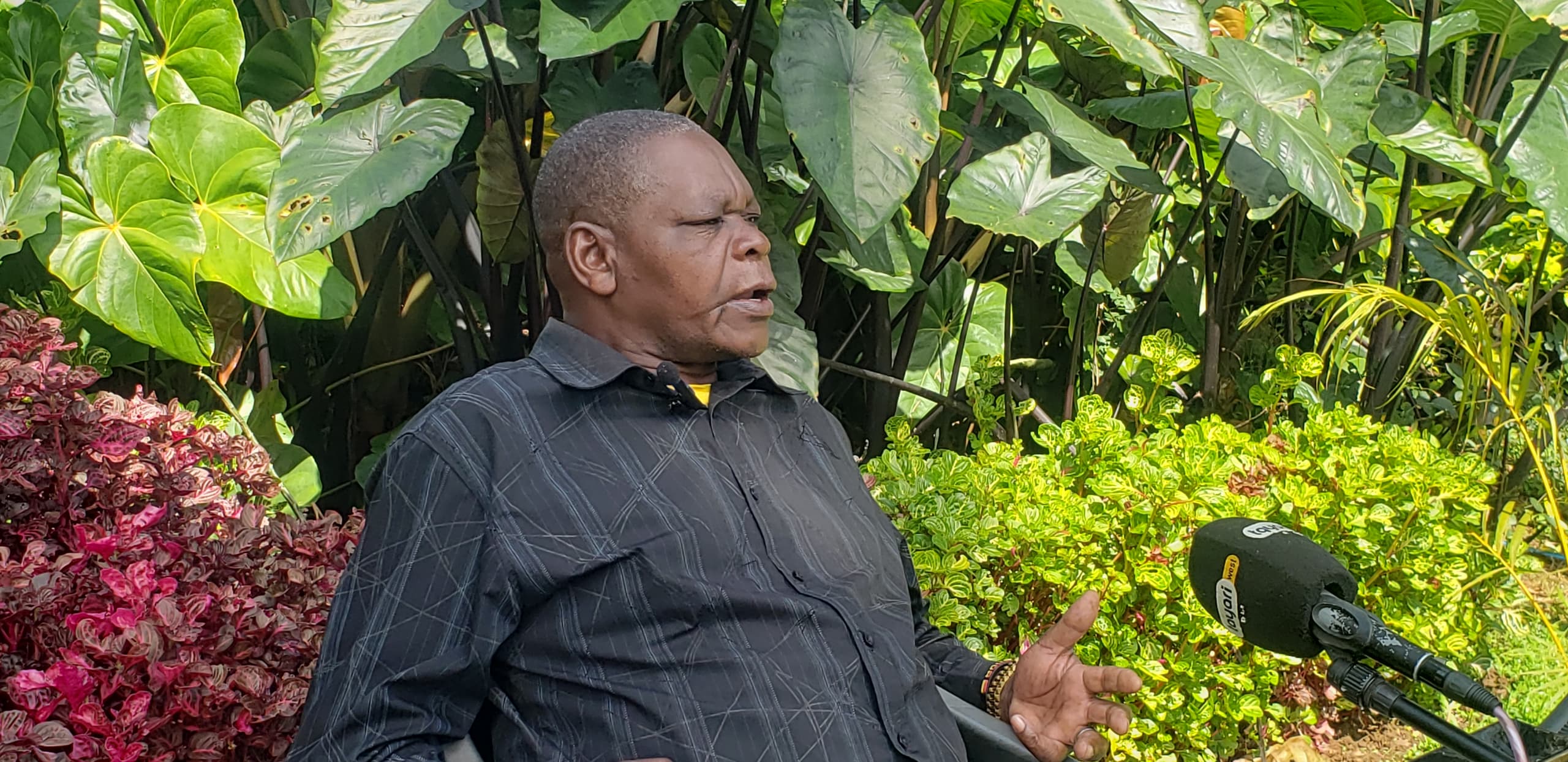
The Chairperson of the Kigezi FRONASA Veterans Association, Warrant Officer One (WO1) Caleb Turyamutunga, who served between 1986 and 1993, said many individuals from the region who played significant roles during the bush war have never been formally recognised despite earlier assurances.
Turyamutunga explained that during preparations for the 45th Tarehe Sita celebrations in Kabale, officials from the Uganda People’s Defence Forces (UPDF) assured veterans that all those who contributed to bringing the current government into power would be identified and awarded medals.
According to him, veterans were tasked with compiling a comprehensive list of individuals who participated in both armed and unarmed struggles.
Working with Resident District Commissioners (RDCs), the veterans claim they prepared and submitted a list of 65 names drawn from across the Kigezi sub-region. The list included members of FRONASA, the National Resistance Army (NRA), and the Uganda Patriotic Movement (UPM), as well as individuals who provided critical logistical and moral support during the struggle.
However, the veterans were later instructed to reduce the list from 65 names to just 16, a directive they say they complied with in good faith. The revised list was submitted to the UPDF office responsible for awarding medals. Despite this effort, they claim that none of the individuals on their list were recognised during the celebrations.
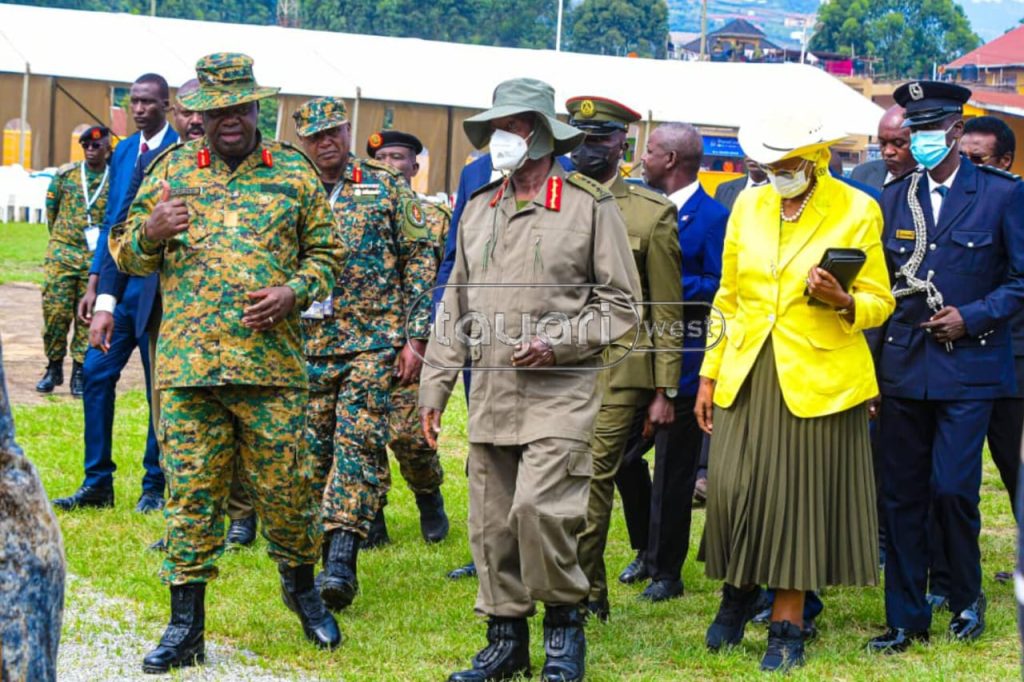
Turyamutunga said the veterans were deeply disappointed when medals were instead awarded largely to serving officers from the UPDF, Uganda Police Force, and Uganda Prisons Service.
Recognition beyond the battlefield
The veterans emphasised that recognition should not be limited only to those who directly engaged in combat but should also extend to individuals and institutions that supported the liberation struggle in various capacities.
Among those mentioned was Mzee Tumusiime Warren from Kahondo, who reportedly supplied food to fighters during the bush war. Also cited was Dr Muhunde, a supporter of the Uganda Patriotic Movement, who treated injured rebels and was allegedly promised a medal but has never received one.
Several institutions were also highlighted for their contributions. Kihanga Secondary School was credited with providing a truck that assisted fighters during the conflict. Bufundi College was also named among supportive institutions. In addition, an individual identified as Muhire was recognised for reportedly losing two buses in Fikayonza during the conflict.
The veterans argue that such contributions were instrumental in sustaining the liberation effort and that failing to recognise these sacrifices diminishes the collective history of the struggle.
Anger and frustration
Veterans in Kigezi have described the failure to recognise them as unjust and heartless. Many say they have waited for decades for official acknowledgement of their role in restoring peace and stability to the country.
Former Kabale NRM registrar Maurice Kaitaba, who participated in both FRONASA and UPM activities, described the treatment of veterans as deeply disappointing. He noted that some veterans lost children and other family members during the struggle, yet have never received any form of recognition or compensation.
Kaitaba said that in the past 45 years, veterans from Kabale and the wider Kigezi region have rarely been acknowledged during national commemorations. He added that even a list reportedly submitted through Maj. Gen. Henry Matsiko Ndarubweine, the National Political Commissar, did not yield results.
Veteran leaders say that beyond medals, the issue touches on dignity, historical acknowledgement, and fairness. They argue that their role in the liberation struggle forms a significant chapter in Uganda’s political history and should not be erased or minimised.
Demand for Presidential intervention
In response to the developments, the veterans have resolved to convene a formal and organised meeting to comprehensively document their contributions and grievances. The meeting aims to produce a detailed report outlining the role of individuals and institutions from Kigezi in the liberation struggle.
Turyamutunga said the report will be submitted directly to President Yoweri Museveni. The veterans are also seeking an opportunity to meet the President in person to present their concerns and push for corrective action.
The veterans further questioned why the Kigezi sub-region does not have a minister specifically in charge of Kigezi affairs, unlike other regions. They argue that this absence has contributed to diminished visibility and reduced benefits for the region, including its veterans.
According to veteran leaders, a direct engagement with the President could help clarify the criteria used in awarding medals and ensure that overlooked individuals are considered in future ceremonies.
Government responds
Kabale Resident District Commissioner (RDC) Maj. Godfrey Katamba, who was also reportedly among those on the submitted list, acknowledged that the Kigezi list was received but confirmed that only a limited number of people were ultimately considered for medals.
Maj. Katamba explained that the awarding of medals followed a specific criterion. Priority, he said, was given to individuals who joined the National Resistance Army before 1985 and actively participated in bush operations before the government was captured in 1986.
He further noted that the awards were distributed nationally and that when the number of nominees from a particular region was high, reductions were made to ensure balanced national representation. According to him, the process sought to recognise veterans from across Uganda, which may have affected the number of awardees from Kigezi.
Katamba urged the veterans to remain patient, explaining that the medal award process is ongoing and that some nominees may be considered during future national functions. He confirmed that of the 16 names submitted from Kigezi, only one individual has so far been awarded a medal.
He also assured veterans that if some names were left out unfairly, consultations would be conducted with higher offices to establish the reasons behind their omission.
Historical context of Tarehe Sita
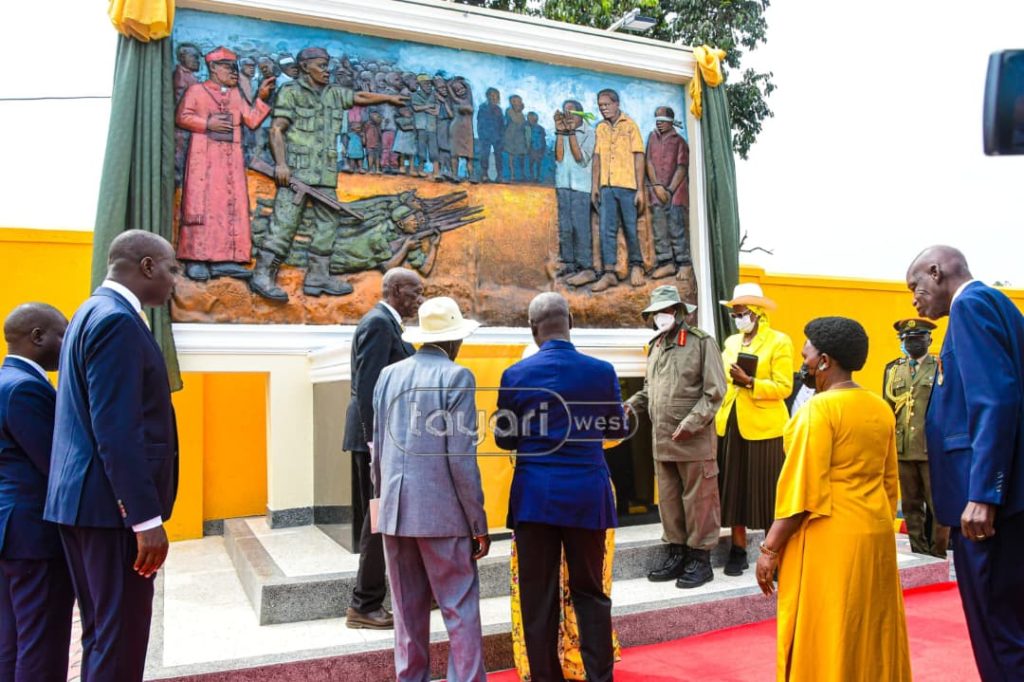
The Tarehe Sita celebrations commemorate February 6, 1981, the date when the armed resistance that eventually brought the current government into power was launched. The 45th anniversary celebrations held in Kabale this year were particularly significant, as they marked the culmination of a struggle that reshaped Uganda’s political landscape.
Hosting the national event in Kigezi had raised expectations among local veterans that their contributions would be prominently acknowledged. Many believed the location of the celebrations symbolised recognition of the region’s historical role.
Instead, the outcome has left many veterans feeling sidelined.
Broader implications
The unfolding situation highlights ongoing tensions between historical participants in Uganda’s liberation struggle and the evolving structures of state recognition. While the government has maintained that awards are based on established criteria, veterans argue that such criteria may exclude crucial contributors who played non-combat roles.
Analysts note that as the country marks over four decades since the start of the armed struggle, issues of memory, recognition, and compensation continue to resurface in various regions.
For the veterans of Kigezi, the matter goes beyond medals. It is about the acknowledgement of sacrifice, the preservation of history, and ensuring that those who contributed to the liberation struggle are not forgotten.
As they prepare to document their case and seek an audience with the President, the veterans say they remain hopeful that their concerns will be addressed and that a more inclusive approach to recognition will be adopted in the future.