
Zadock Amanyisa || Tayari News
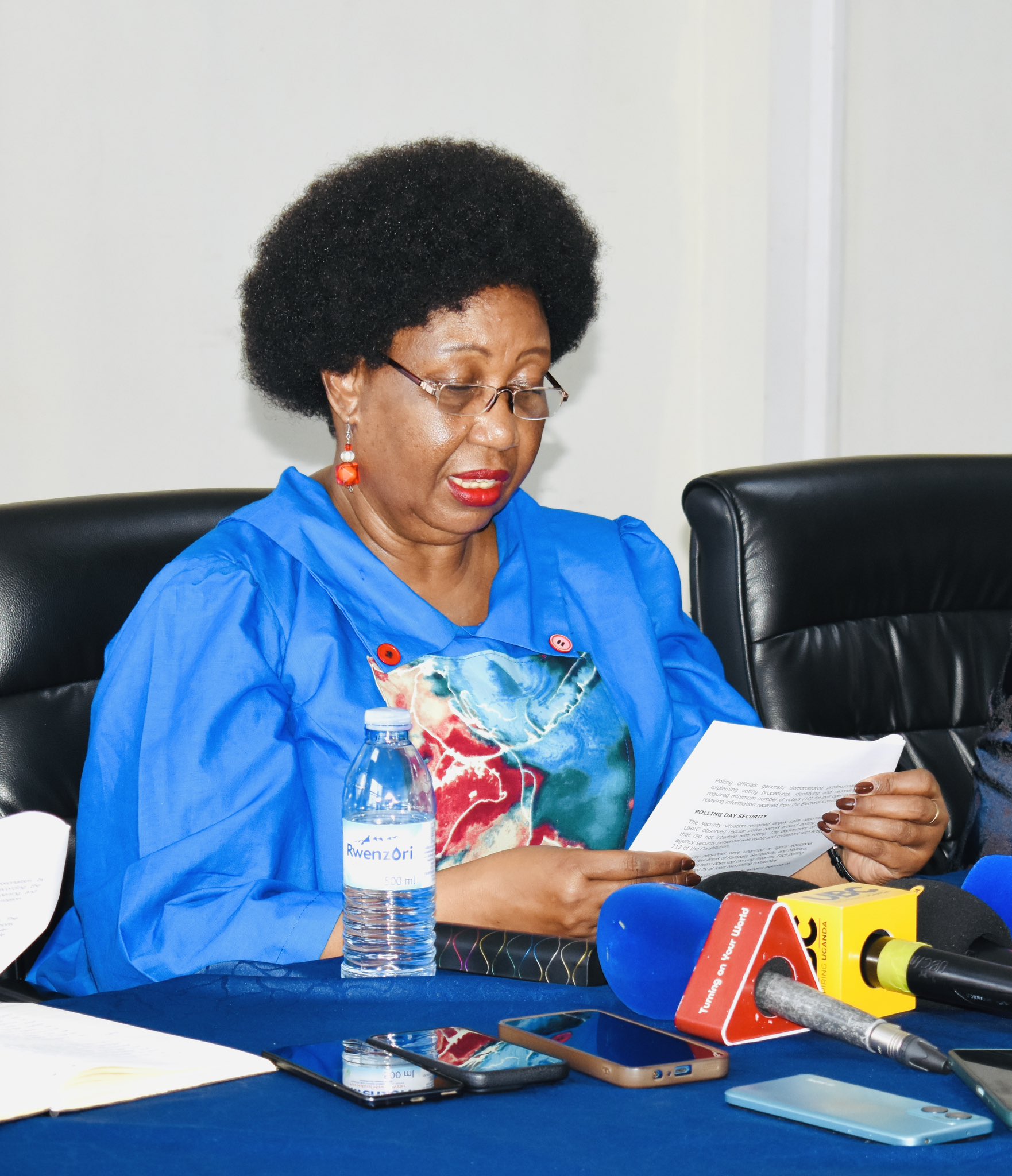
KAMPALA – The Uganda Human Rights Commission (UHRC) Chairperson, Mariam Fauzat Wangadya, has “encouraged” Ugandans who suffered losses during the “temporary” internet shutdown to seek justice by filing their claims for compensation.
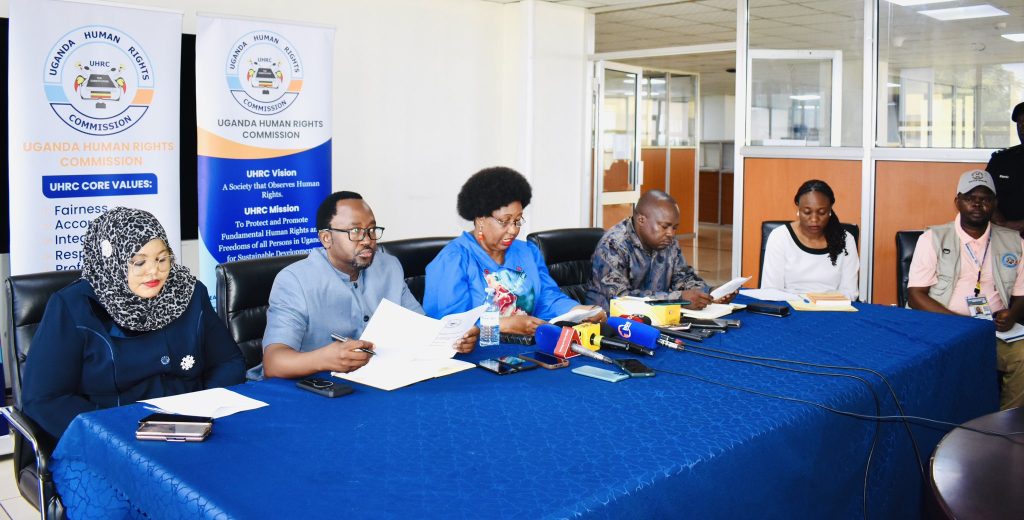
While addressing the media in Kampala on Sunday, 18th January 16, 2026, Wangadya stressed that most Ugandans did not believe the government’s word on not planning to shut down the internet despite communication from the Uganda Communications Commission (UCC).
Two days to the polling day, which was on 15th January, UCC ordered all licensed mobile network operators and Internet Service Providers to temporarily suspend public internet access during the election period.
UCC said two later that the measure was taken “to mitigate the rapid spread of misinformation and disinformation, curb risks of electoral fraud, and prevent incitement to violence, all of which could undermine public order, national security and the integrity of the electoral process.”
According to Wangadya, they (UHRC) sought assurance from UCC about any planned internet shutdown.
“Honestly, I think most Ugandans did not believe that there would be no internet disruption despite the assurances made by the UCC. Remember, during the meeting at Sheraton, where the UCC were represented, we explicitly asked them. We wanted an assurance that there would be no internet shutdown, and they said so, but I think we reasonably expected that this might happen. And I think most reasonable people within the business community expected that perhaps there would be internet suspension,” She told journalists on Sunday, noting that “the losses are regrettable.”
“And if the suspension of the internet was informed by the public good, again, let the public good prevail. Individual business people who suffered and seek to be compensated can file claims. They can file suits in the commercial division of the court and seek compensation accordingly. So, we can encourage them to do that if they so wish to seek compensation for the losses they suffered during this period.” Wangadya advised
UHRC to inquire into Kyagulanyi’s “house arrest”
About National Unity Platform (NUP) presidential candidate, Robert Kyagulanyi’s alleged house arrest, Wangadya said: “If it is true that Hon. Robert Kyagulanyi is under house arrest, we need to know why, and it is the reason I have sent my team to talk to him.”
“We listened to the spokesperson of the police, who said that they have been deploying wherever there is a security interest. We see that every presidential candidate was given security. The idea is that whoever is cleared to contest for the presidency ceases to be an ordinary individual and must have extra security. More so, when you are a top contender for the presidency like Hon Kyagulanyi, but let me wait for the report from my team before I can elaborate on that.” She noted
The UHRC boss recommended that the Electoral Commission should conduct comprehensive training and large-scale training on all Electoral technologies before polling, ensure a mandatory percentage of election financing is allocated to voter education, permit candidates’ agents to verify voters on the manual register where digital verification is unavailable, among other recommendations.
According to the commission, despite the challenges observed, “Ugandans were able to exercise their right to vote in a generally peaceful and secure environment.”
Wangadya told reporters that UHRC will continue to engage stakeholders and issue further statements as the Electoral progresses.
In the Thursday presidential election in which President Yoweri Museveni of the NRM was declared a winner, President Museveni garnered 7,946,772 votes (71.65%), Kyagulanyi got 2,741,238 (24.7%), Nathan Mafabi got 29039(1.88%), Gregory Mugisha Muntu Oyera got 59276(0.59%), Mubarak Munyagwa got 31666(0.29%), Robert Kasibante got 33440(0.30%), Frank Bulira garnered 45159 (0.41%), while Joseph Mabirizi got 23458(0.21%).