
Zadock Amanyisa
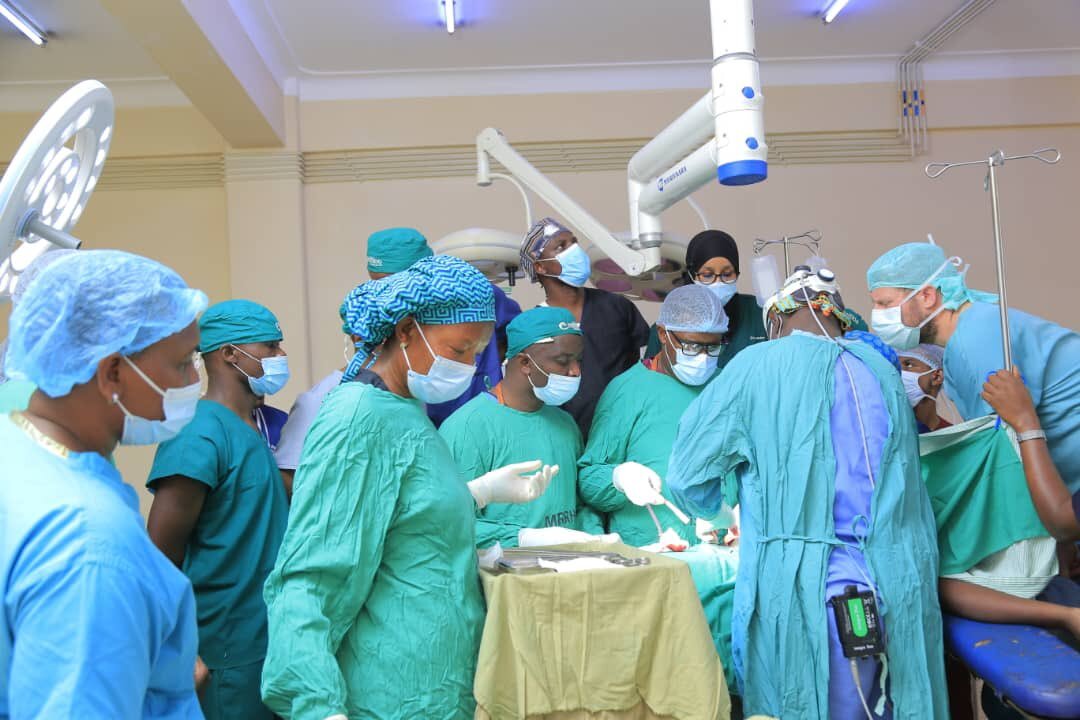
Ms. Alice Keneema, (not real names) is one of the mothers that recently turned up for a vesico-vaginal fistula (VVF) and stage IV uterine prolapse operation medical camp at a local non-profit health facility in Bushenyi district, southwestern Uganda.
She had lived with a fistula condition for forty years, a period in which she lost a lot, including being forbidden and abandoned by her husband, and losing children before she was picked up by another man for another chance in marriage about 29 years ago.
“I have lived with this condition for such a long time. In the process, though I was not stigmatized by the family and community members because they did not know, I lost my first marriage in which my man, who knew what I was going through abandoned me. I think he found it hard to move on with me. Having waste come out in one opening was an awful experience that he couldn’t withstand,” she said.
Keneema has experienced self-enacted stigma with many other mothers have been stigmatized due to the fistula condition.
The Ankole sub-region is not unique from other regions. Second after Buganda, the region posts high numbers of injuries after the Buganda region.
Obstetric fistula is a hole between the vagina and rectum or bladder that causes urinary or faecal incontinence. A fistula is a hole, or abnormal opening, in the birth canal, that results in chronic leakage of urine and feces.
Fistula typically results from problems during labor, surgical error, or trauma. In Uganda, 58% of women age 15-49 have heard of obstetric fistula, while approximately 1% of women report ever experiencing it according to the study: Iatrogenic Female Genitourinary Fistula in Uganda: Etiology, Twelve-Year Trends, and Risk Factors for Development Following Cesarean Section (2024)
The study estimates that more than 2 million women live with untreated fistula. Data from Uganda show that 1 to 2% of women have symptoms of genitourinary fistula. More than 95% of the female genito-urinary fistulae in low and middle-income countries are of ischemic etiology, resulting from prolonged neglected obstructed labour.
A number of fistulae are also believed to result from accidental injury to the urinary tract (iatrogenic) during obstetric and gynecological surgeries. The close proximity that the female urinary system has with the genital tract coupled with the complexity of the surgery and the limited skill of the surgeon, poses a risk of injury.
Mothers who are bold enough to share their excruciating stories say they have experienced a range of physical and emotional consequences, including physical symptoms like incontinence, chronic pain, and sexual dysfunction, mental health issues like postnatal depression, nervousness, obsessive-compulsive disorders, and post-traumatic stress disorders, relationship problems like difficulty in mother-child affection with the baby and problems in the relationship with the partner like isolation, feeling detached and emotionless; and difficulty discussing the experience with family and friends.
Over the last years, health facilities have been receiving mothers with fistula experiences. These mothers report having been rejected by their families due to a stench that arises from the fistula condition.
In Ankole sub-region, hospitals like Ishaka Adventist Hospital and Mbarara Regional Referral Hospital have moved to solicit resources for surgical procedures and medical supplies, expertise and training for the medical staff, and offering rehabilitation and counseling services to restore the dignity of the women.
Dr. Onesmus Byamukama, a urogynecologist with specialization in female pelvic floor surgery says mothers lose their dignity and having them rehabilitated is always a long overdue.
“We believe that no woman should suffer these injuries during childbirth, and when they suffer these injuries, they lose their dignity and respect in the community, they lose hope, and this affects their entire life in their families and community. Our job is to give them dignity and hope by giving them the repair services according to the injuries that they suffer from,” he said.
Injuries also include when urine starts leaking, and this comes about after a hole has been created between the bladder and private parts, or sometimes they get a tear and they can no longer control stool or gas, and therefore this makes them become social embarrassments in meetings, church services, choirs, and women groups because they can no longer control it.
Sometimes the uterus comes out, and it kind of gives them discomfort, especially when they are going about their work. When the uterus comes out, it causes them to pass out stool.
This also makes it hard for the mothers to meet their sexual obligations because of the pain and bad smell from the stool, leading to marriage breakdown and men looking for other sexual partners, and this causes a lot of distress.
“I got pushed into a world so bad that I felt distressed and stressed. I was unable to feel like a real woman. I also got isolated from my family and couldn’t do anything productive apart from sitting at home,” Ms. Arinda (not real names) recalled.
Victims of fistula also lose their employment and end up being pushed into poverty.
But what causes these birth injuries?
One of the causes of birth injuries is mishandling by some healthcare professionals. These birth handlers sometimes make mistakes while delivering mothers. Some experts attribute this to the training that some nurses and maternity staff acquire when studying.
“We are noticing that there is a trend that these injuries are caused by health workers when delivering the mothers. This is due to variations in training of midwives and doctors. We emphasize proper training of these people so that we can have a reduction in the cases,” says Dr. Byamukama
Injuries are also attributed to health-seeking behaviors of some mothers, who arrive at health facilities when it was already late. Others choose to deliver with the help of traditional birth attendants and end up getting injured in the process.
According to experts, traditional birth attendants are not well trained and skilled to do the work, and they end up causing devastating injuries to mothers.
‘Sometimes, mothers come late for medical attention. We still have numbers of women going to deliver with the help of traditional birth attendants and these are not skilled people. At times they don’t know what to do and they cause devastating injuries to mothers. There is a lot that is happening in our setting,” Dr. Byamukama explains
Affected mothers suffer silently because issues to do with sexuality are in the African setting and not made public or revealed. No one wants to talk about sex in public, and because of this, women tend not to come out and speak about the pain even with their immediate friends or relatives.
Are these cases treatable?
Birth injuries can be treatable provided they have been identified and the right experts work on them at an early stage. Identification, recognition, and repair of birth injuries would result in women getting relieved and retaining their dignity, according to Dr. Kato Paul Kato Kalyebara, a pelvic reconstruction expert at Mbarara Regional Referral Hospital.
Grateful that she had been operated on and can now ‘enjoy life with a big spoon,’ Ms. Loyidah Kwasiima, a mother who had lost her sexual obligations due to the fistula condition narrates she was excited that, having been treated, she regained her marital freedom.
“I am very happy that God worked through the friend of the hospital to avail me an opportunity to get reconstructed. I was repaired, and I have no worries any longer. I can now perform my duties as I used to do,” she expressed.
“When all this has been managed, the women will regain the many things that they lost and also resume their sexual activities,” said Sr. Lillian Tusingwire, a nursing officer and senior midwife
Reintegration of mothers back into society
Reintegration of fistula affected mothers starts from the day announcements are made calling mothers for screening and treatment. When they get to health facilities for treatment, their stories to change with a glimmer of hope and high expectation. They are offered counseling sessions to help them cope.
Reintegration of women who have suffered birth injuries is a very important aspect of treatment. The once rejected mothers are reintegrated and accepted back into their communities.
“We get to counsel them on what to do before they are sent back home. In some cases, we take these mothers home and talk to their families and close relatives about what we were able to do and what we expect their quality of life to be following treatment,” Dr. Byamukama noted.