
Enock Ndyamuhakyi | Tayari News
KABALE- Farmers in the Kigezi sub-region have been encouraged to grow and consume indigenous vegetables and traditional foods as a sustainable way of boosting immunity and improving overall health.
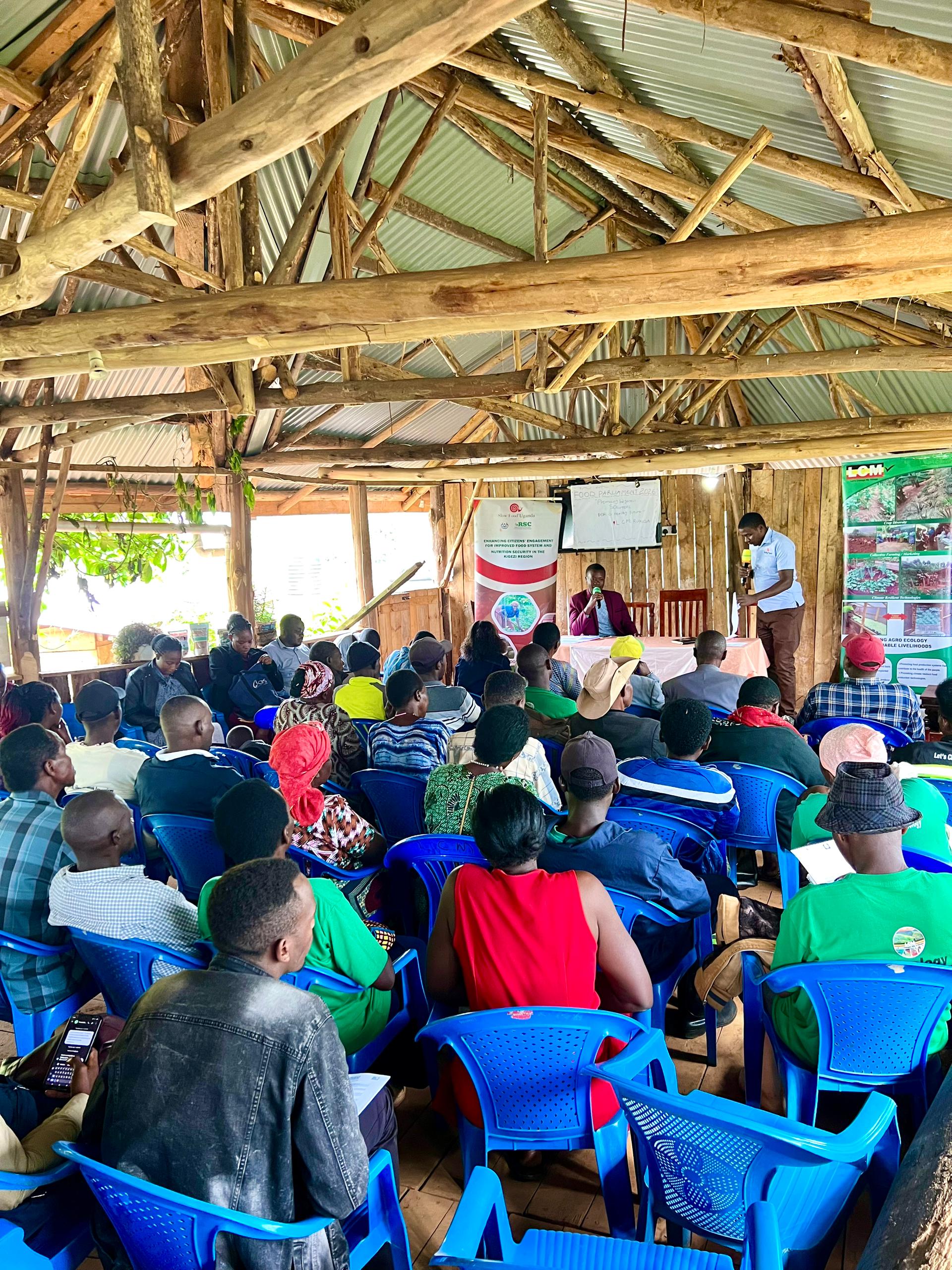
The call was made by John Kiwagalo, the Head of Programs at Slow Food and Nutrition, during a Food Parliament held under the theme “Promoting Indigenous Solutions for a Healthy Future” in Noozi Parish, Rwamucucu Sub-county, Rukiga District.
Kiwagalo emphasized the importance of returning to locally grown foods, noting that indigenous crops are rich in essential natural nutrients because they are cultivated using traditional farming methods with minimal use of synthetic chemicals. According to him, such practices make these foods healthier and more nutritious compared to highly processed alternatives.
“Most of the foods we consume today are heavily processed and lack the nutrients our bodies need. Indigenous foods, on the other hand, are natural and provide balanced nutrition,” Kiwagalo said.
He added that although packaged and tinned foods may be attractive and convenient, they offer little nutritional value due to the level of processing involved. Kiwagalo warned that increased reliance on such foods could negatively affect people’s health in the long run.
He further urged farmers to preserve indigenous seeds and embrace traditional farming practices, arguing that this would not only improve household nutrition but also promote food sovereignty and protect cultural heritage.
Kiwagalo noted that communities that maintain their traditional diets tend to have better health outcomes compared to those that rely heavily on imported and processed foods.
Meanwhile, the Rukiga District Agricultural Officer, Innocent Arinaitwe, described indigenous foods as “protective foods,” explaining that they are rich in vitamins and nutrients that help strengthen the body’s immune system and prevent diseases.
Arinaitwe highlighted that most indigenous vegetables are green in color, which is an indicator of the presence of essential nutrients such as vitamins A, C, and iron. These nutrients, he said, play a key role in protecting the body against non-communicable diseases such as diabetes, high blood pressure, and heart disease.
“Green vegetables are very important, especially for vulnerable groups like pregnant women. They support healthy pregnancies and reduce the chances of complications, including stunted growth in children,” Arinaitwe explained.
He also encouraged households to establish backyard gardens where they can grow a variety of indigenous vegetables for daily consumption, noting that this is a cost-effective way of improving nutrition at the family level.
Residents of Noozi Parish welcomed the initiative, describing it as a timely reminder to return to traditional diets that were once common among their ancestors.
Some of the residents, including Patrick Byamugisha and Rachael Ariho from Kanyabutegye Village, Pasikazia Kemigisha, the Chairperson of Kanyabutegye Village, and Richarido Kabagambe, Chairperson of Slow Food Kabingo Village, said indigenous vegetables have significantly helped improve their health and strengthen their immunity.
They noted that these foods not only boost the immune system but also help in fighting both communicable and non-communicable diseases.
The residents added that although indigenous foods were widely consumed in the past, many people had abandoned them in favor of modern eating habits influenced by urbanization and changing lifestyles.
However, they said there is a growing shift back to traditional foods, with many households now embracing the cultivation and consumption of indigenous vegetables.
“We are now going back to what our ancestors used to eat. These foods are healthier, affordable, and readily available,” one resident said.
Local leaders and agricultural experts believe that promoting indigenous foods could play a significant role in addressing malnutrition, reducing healthcare costs, and improving livelihoods in rural communities.
They are now calling for increased awareness campaigns and government support to encourage more farmers to adopt indigenous farming practices and preserve traditional food systems for future generations.