
Tayari News
KAMPALA – The Deputy Speaker of Parliament, Thomas Tayebwa, has proposed a national dialogue and a high-level roundtable discussion aimed at strengthening Uganda’s fight against malaria as the country grapples with rising malaria cases despite earlier progress.
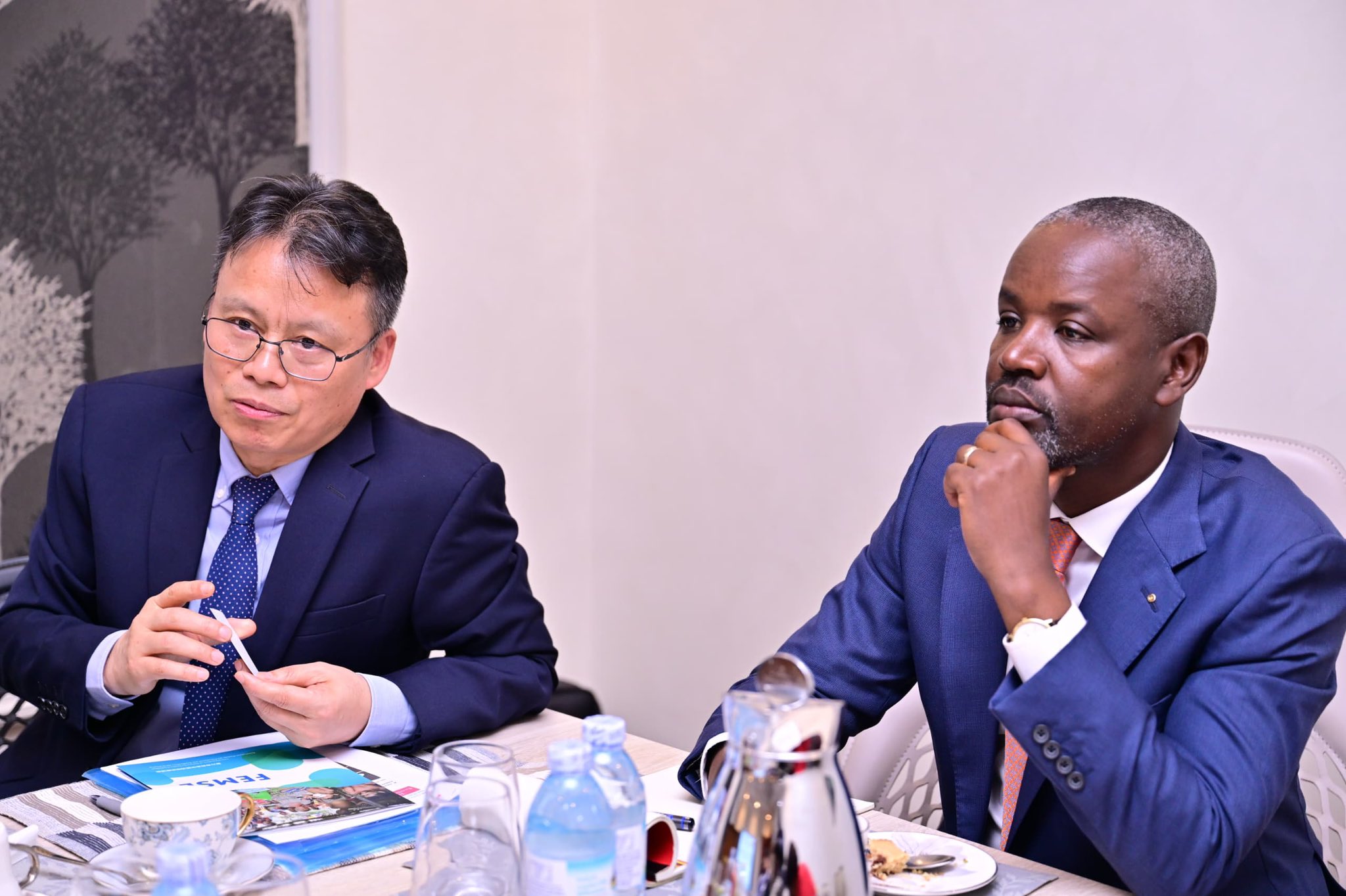
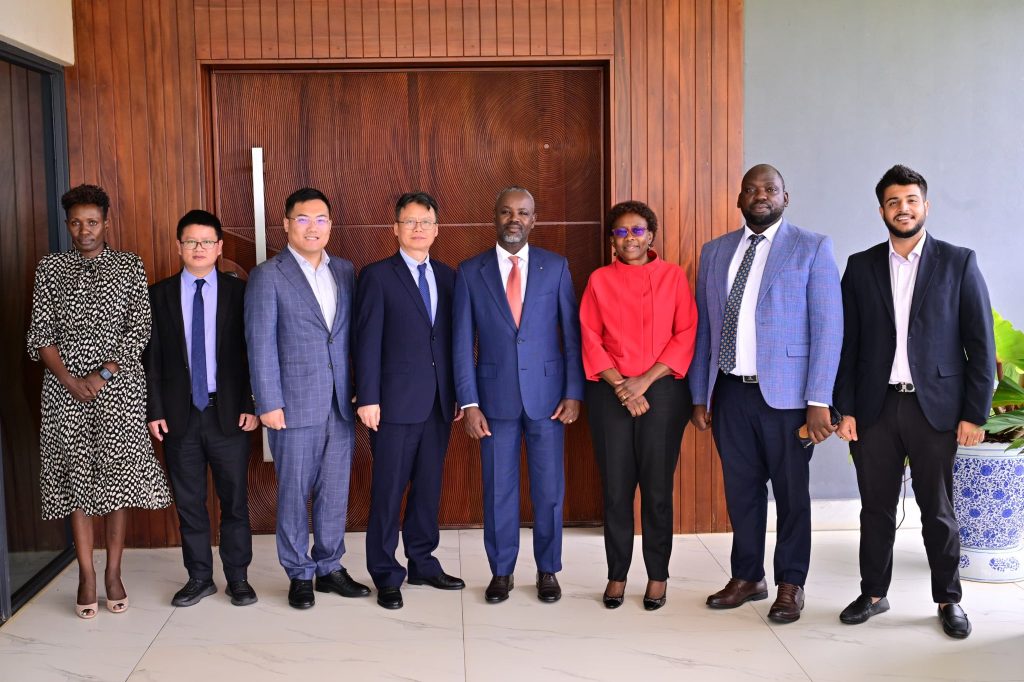
Tayebwa made the remarks following a meeting with the Minister of Health, Dr Jane Ruth Aceng, and a delegation from the New South Institute of Traditional Chinese Medicine led by Mr Pan Longhua, who presented the Fast Elimination of Malaria by Source Eradication (FEMSE) initiative.
During the engagement, Tayebwa said Uganda has previously made significant progress in reducing malaria prevalence, but recent findings from the Malaria Indicator Survey suggest the country is beginning to lose some of the gains achieved over the years.
According to the 2024-25 report, 65% of household members who were interviewed slept under treated mosquito nets, while 87% of households owned at least one mosquito net and 84% had at least one insecticide-treated mosquito net.
The survey further indicated that malaria prevalence among children aged 6 to 59 months stands at 15%, an increase from 10% recorded in the 2018-19 survey. Access to insecticide-treated nets remained stagnant at 56%. Malaria incidents remained high in Lango sub-region.
According to Minister Aceng, the 2024-25 report indicated an increase in national parasite prevalence, attributed to the 2022 malaria epidemic and post-COVID effects. In response to this increase, the country has developed a robust malaria elimination strategic plan that aims to achieve zero malaria deaths, incidence reduction in all districts, and elimination in 15 districts by 2030.
Tayebwa said Tuesday that the trend calls for urgent and coordinated intervention involving government, scientists, development partners, and the private sector.
“We have made commendable progress in reducing the malaria burden over the years, but recent statistics indicate that we are beginning to reverse these gains. This should concern all of us because malaria remains one of the leading causes of illness in our health facilities and continues to affect productivity, livelihoods, and national development,” Tayebwa said.
He emphasised the need for Uganda to adopt a more deliberate and unified approach in tackling malaria, saying fragmented interventions are no longer sufficient to eliminate the disease.
According to Tayebwa, the proposed national dialogue would bring together key stakeholders, including scientists, policymakers, public health experts, and international partners, to review Uganda’s current malaria response and develop a clear roadmap toward elimination.
“I have proposed a national dialogue, followed by a high-level roundtable, where all relevant stakeholders can sit together and agree on a practical, actionable malaria elimination agenda. This will enable us to move from fragmented efforts to a fully coordinated national response,” he added.
The Deputy Speaker welcomed the FEMSE initiative, describing it as a promising intervention modeled on global best practices, particularly China’s successful malaria elimination journey.
The FEMSE model focuses on mass drug administration, mass prevention, early diagnosis, and early treatment, strategies that have reportedly yielded positive results in countries such as Comoros, where malaria cases have been reduced by up to 98% after adoption.
Tayebwa said Uganda could draw important lessons from such countries and adapt proven interventions to fit the local context.
“The results seen in countries like Comoros demonstrate that malaria elimination is possible if there is political will, adequate funding, and coordinated implementation of evidence-based interventions,” he said.
He also acknowledged Uganda’s ongoing malaria control measures, including the test, treat and track strategy, indoor residual spraying, larviciding, and chemoprophylaxis, noting that while these interventions have shown effectiveness, they continue to face significant limitations.
“Our own interventions are working, but their full impact is constrained by funding gaps, supply shortages of essential commodities, and persistent behavioural challenges in some communities,” Tayebwa explained.
He called for increased domestic and international investment in malaria prevention and treatment programs to ensure sustained access to medicines, diagnostics, and preventive tools such as mosquito nets and spraying services.
Tayebwa further pledged continued engagement with Uganda’s international partners to mobilize additional resources needed to scale up effective interventions.
“We must continue engaging our global partners to mobilise the support required to scale proven interventions and accelerate our progress toward malaria elimination,” he said.
Malaria remains one of Uganda’s biggest public health challenges, accounting for a large proportion of outpatient visits, hospital admissions, and deaths, particularly among children under five and pregnant women.
Health experts have repeatedly warned that unless Uganda strengthens coordination, financing, and community awareness, the country risks losing years of progress made in malaria control.
With the proposed national dialogue and renewed partnerships such as FEMSE, government leaders say Uganda now has an opportunity to reset its malaria elimination strategy and work toward a malaria-free future.