
Enock Ndyamuhakyi
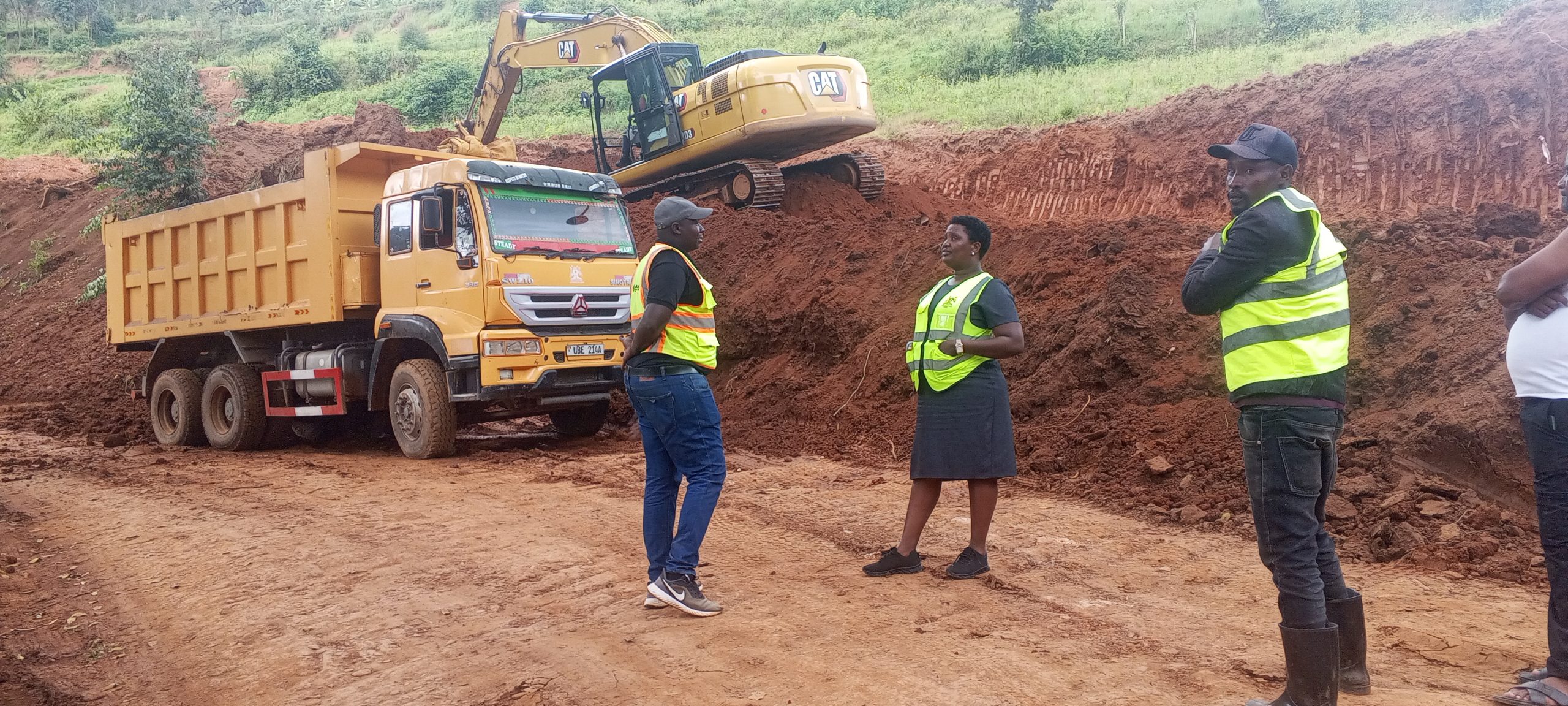
Tourism stakeholders in Kabale District have expressed growing frustration over the slow pace of construction on the Kabale–Lake Bunyonyi road, warning that persistent delays are already hurting the region’s tourism industry and could have long-term economic consequences if not urgently addressed.
The 15.8-kilometre road, which links Kabale town to Lake Bunyonyi one of Uganda’s most sought-after tourist destinations was expected to transform accessibility, reduce travel time, and stimulate business for hotels, tour operators, and local communities. However, nearly a year after construction officially began, progress remains minimal, raising serious concerns among stakeholders.
The project was commissioned on June 13, 2025, by Thomas Tayebwa as part of a Shs112 billion infrastructure initiative funded by the African Development Bank and the Government of Uganda. It is being implemented by Samcrete Egypt Engineers and Contractors, with a projected completion timeline of between 18 months and three years.
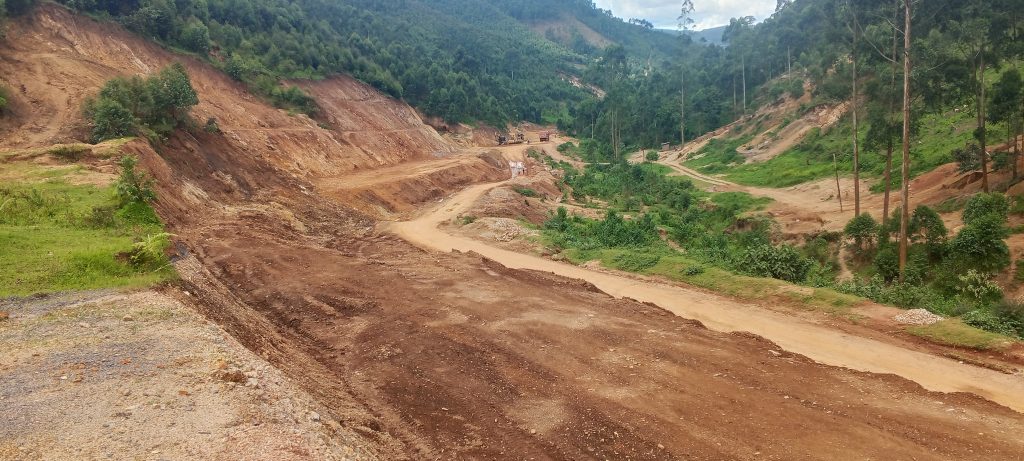
Despite these expectations, a progress report dated April 2, 2026, indicates that only 2.07 percent of the work has been completed—far below what stakeholders had anticipated at this stage.
Eng. Ivan Mbabazi Batuma, the Chairperson of the Kigezi Tourism Cluster, did not mince words when describing the situation.
“Lake Bunyonyi is the backbone of tourism in Kigezi, and any disruption in access directly affects the entire value chain from accommodation facilities to tour operators and local suppliers,” Batuma said.
He added that the industry had braced itself for temporary disruptions but not for the near standstill being witnessed.
“We expected some inconvenience, yes slower traffic, maybe minor delays but not this level of stagnation. Less than three percent progress after almost a year is deeply worrying,” he noted.
According to Batuma, the consequences are already visible. He revealed that tourism businesses around Lake Bunyonyi have recorded an estimated 30 percent drop in revenue within a short period, largely attributed to poor road conditions and reduced visitor numbers.
“We are already seeing losses of about 30 percent in tourism income. If this continues, some businesses may not survive the next peak season,” he warned.
The situation has been particularly challenging during festive periods, which are typically the busiest times for tourism in the region.
“During the last holiday season, when we usually receive the highest number of visitors, many hotels and lodges operated below capacity. Tourists simply could not endure the journey,” Batuma explained.
Wickliffe Rushaju, Director of Gorilla and Beyond Safaris and proprietor of Mirere Bunyonyi Lodge, echoed these concerns, pointing to a sharp decline in bookings.
“Our bookings have dropped significantly. Clients are either postponing their trips or choosing alternative destinations because of the road,” Rushaju said.
He described the journey to Lake Bunyonyi as increasingly unpredictable and frustrating, particularly for international tourists who expect smooth travel experiences.
“Some of our guests spend hours on what should be a short trip. By the time they arrive, they are exhausted and dissatisfied. That affects their overall experience and our reputation,” he added.
Rushaju also criticized the condition of diversion routes put in place during construction, saying they have worsened the situation.
“The diversion roads are in a terrible state. They are poorly graded, dusty when it’s dry, and muddy when it rains. In some cases, vehicles get stuck, which is unacceptable for a major tourism route,” he said.
He warned that if urgent action is not taken, the region risks losing both domestic and international tourists.
“Tourism is very sensitive. Once people start avoiding a destination, it takes time to win them back. We cannot afford to damage the image of Lake Bunyonyi,” Rushaju emphasized.
Local authorities have acknowledged the slow progress and say efforts are being made to address the situation. The Resident District Commissioner of Kabale, Maj. Godfrey Katamba, confirmed that his office has been closely monitoring the project.
“We are aware that the progress has been slow, and we share the concerns of the stakeholders. This road is critical not just for tourism but for the entire district,” Katamba said.
He revealed that his office formally raised the issue with the Ministry of Works and Transport as early as October 2025.
“We wrote to the ministry highlighting the delays and the potential negative impact on tourism and the local economy. We have also engaged the contractor to understand the challenges they are facing,” he explained.
Katamba urged the contractor to expedite the works and meet the agreed timelines.
“We expect the contractor to take these concerns seriously and increase the pace of work. The people of Kabale deserve timely delivery of this project,” he said.
At the national level, the Ministry of Works and Transport has sought to reassure the public that the situation is under control. Allan Ssempebwa, Senior Communications Officer at the ministry, said the government is actively supervising the project.
“The contractor is on site, and the government is closely monitoring progress to ensure that the project stays on track,” Ssempebwa said.
He acknowledged the concerns raised by stakeholders but expressed optimism that the project can still be completed within the planned timeframe.
“We understand the frustrations, but infrastructure projects of this scale can face challenges. What is important is that mechanisms are in place to address them and ensure steady progress,” he added.
Ssempebwa emphasized the government’s commitment to improving road infrastructure as a key driver of tourism and economic growth.
“This road is part of a broader strategy to enhance connectivity to key tourism sites. We are confident that once completed, it will significantly boost tourism in the Kigezi region,” he said.
However, stakeholders remain skeptical, insisting that assurances alone are not enough without visible improvements on the ground.
“We need action, not just promises. Every day of delay translates into lost income and missed opportunities,” Batuma stressed.
As the peak tourism season approaches, pressure is mounting on both the contractor and the government to accelerate the works and restore confidence in the region’s accessibility.
For now, businesses around Lake Bunyonyi continue to grapple with uncertainty, hoping that progress on the Kabale–Lake Bunyonyi road will soon match the expectations that once surrounded the project.
Efforts to obtain a comment from Samcrete Egypt Engineers and Contractors were unsuccessful by press time, as repeated calls and inquiries went unanswered.
About Lake Bunyonyi
Lake Bunyonyi, located in southwestern Uganda near Kabale and Kisoro, is a stunning, safe, and scenic freshwater lake renowned as the “Place of Many Little Birds”. Situated 1,962 meters above sea level, it is famously known as the second deepest lake in Africa, surrounded by 29 terraced islands.
Tourists visit Lake Bunyonyi, Uganda’s deepest lake, primarily for its breathtaking, tranquil scenery, featuring 29 islands and lush, terraced hills. It is a premier destination for relaxation after gorilla trekking, offering safe swimming (bilharzia/croc-free), canoeing, birdwatching, and cultural experiences with local communities.
