
Gideon Tumwijukye | Tayari News
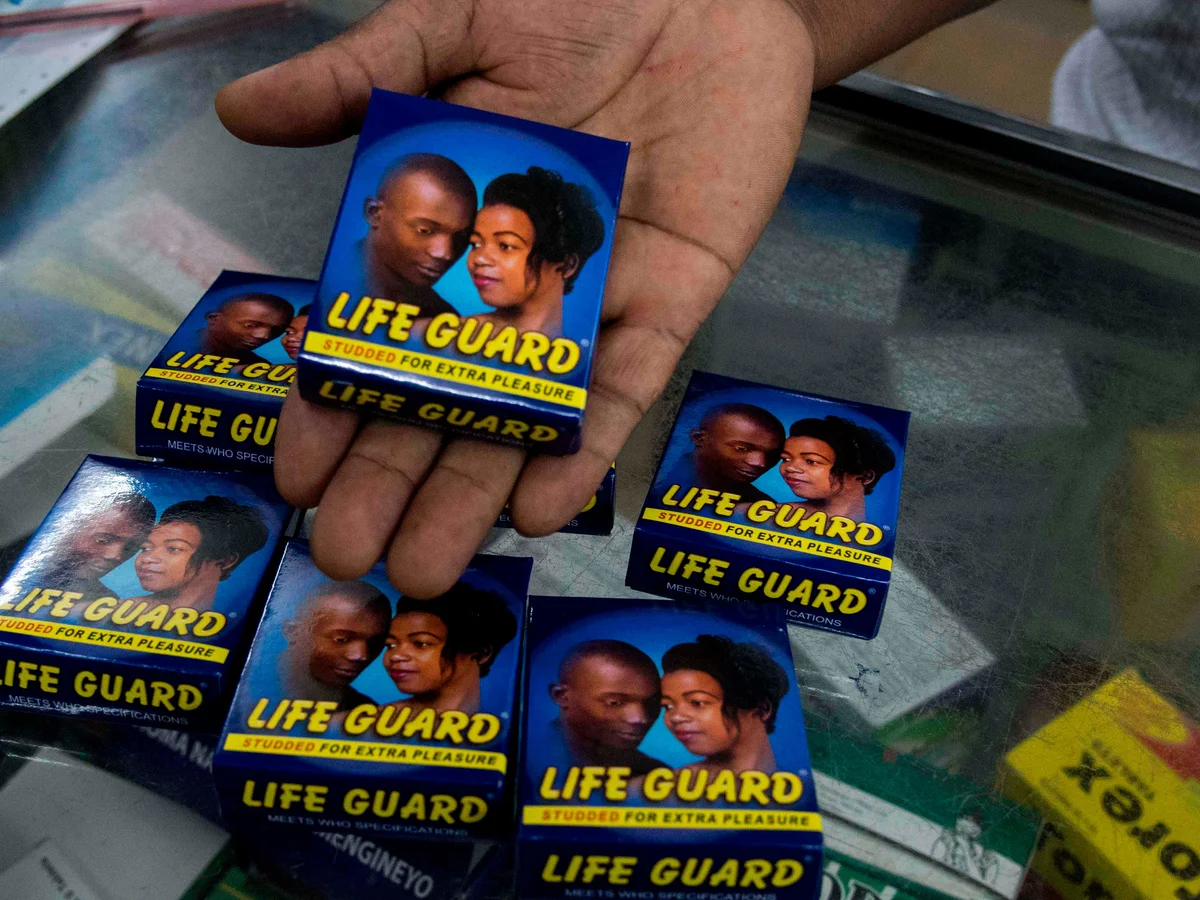
KABALE – Following the commemoration of International Condom Day observed globally on 13th February, a health official in Kabale district has expressed concern over the shortage of condoms in their area.
The celebration sought to promote safe sexual practices and raise awareness about the importance of consistent and correct condom use in preventing HIV/AIDS and other sexually transmitted infections.
But there are worries in the South-western Ugandan district of Kabale. The District Health Educator, Alfred Besigensi, says the district is currently facing a significant shortage of condoms following the withdrawal of support from the United States Agency for International Development (USAID).
USAID support was withdrawn by the United States government under President Donald Trump in January 2025, as part of a broader shift in U.S. foreign policy following an executive order to reevaluate foreign aid. The decision has since affected several health programs that were previously supported through foreign assistance, including condom distribution initiatives.
Besigensi said the impact of the withdrawal was immediately felt across health facilities in Kabale and the surrounding districts.
“When the USAID support was withdrawn, the condom supply reduced significantly. Many of our health facilities that depended on these supplies are now experiencing stock-outs,” Besigensi explained.
He noted that condoms remain one of the most effective and affordable tools in preventing new HIV infections, reducing the spread of sexually transmitted diseases, and avoiding unplanned pregnancies.
“Condoms are a key component in our HIV prevention strategy. If this shortage persists, we risk reversing the gains we have made over the years in fighting HIV/AIDS in Kabale District,” he warned.
Besigensi revealed that the Uganda People’s Defence Forces provided condoms distributed during the recent Tarehe Sita celebrations held in Kabale, helping temporarily ease the pressure.
“We appreciate the UPDF for supporting us during the Tarehe Sita celebrations. However, this was a temporary intervention and cannot fully address the increasing demand in the district,” he said.
He called upon members of the public to take personal responsibility by purchasing condoms from pharmacies and accredited drug shops to ensure continued protection.
“Condoms are affordable in pharmacies and drug shops. It is much cheaper to buy condoms than to spend large sums of money on treating sexually transmitted infections,” Besigensi said.