
Job Namanya | Tayari News
RUBANDA- The government of Uganda is planning to enhance and harmonize the salaries of Arts teachers with those of their Science counterparts beginning in the 2026/2027 financial year. This move aims to resolve longstanding disparities within Uganda’s education sector.
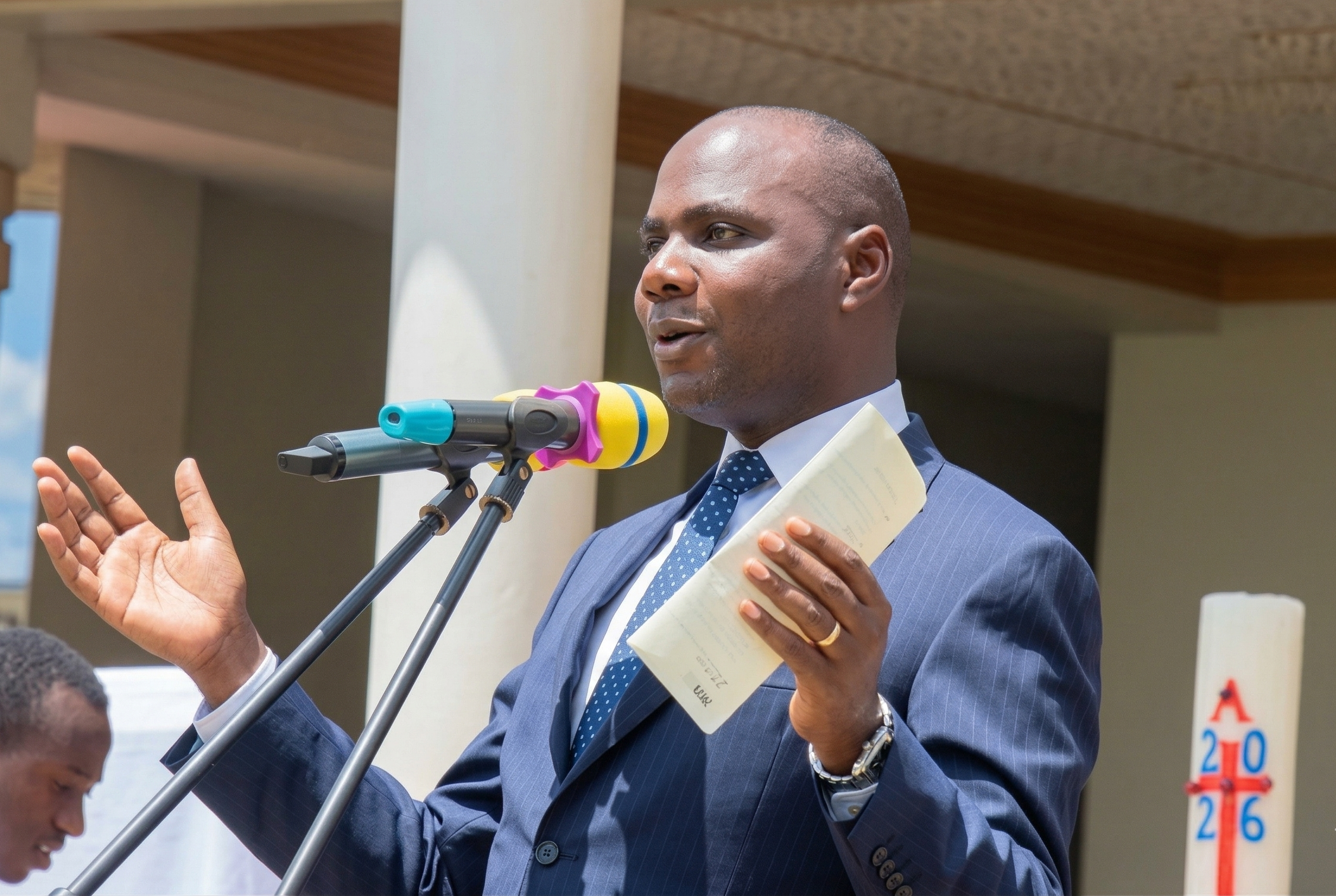
State Minister of Finance Henry Musasizi, who also serves as Member of Parliament for Rubanda East, said the development follows instructions from President Yoweri Museveni to address concerns of unequal pay among teachers.
For years, Arts teachers across the country have protested what they describe as discriminatory salary structures that favor Science teachers. The issue has triggered repeated industrial actions, with teachers demanding equitable treatment and improved remuneration.
Musasizi said that the government is aware of the grievances and steps were being taken to resolve the matter once and for all.
“You all know how teachers have been protesting about salary disparities. This issue will be resolved starting in July because the President instructed us to find the required money and include it in the next budget,” he said.
Although the minister did not disclose specific salary figures, he emphasized that the government intends to ensure parity between Arts and Science teachers. If implemented as announced, the policy would mark a significant shift in the government’s approach to teacher compensation and could ease tensions that have persisted within the profession.
Leaders of teachers’ unions reacted cautiously to the announcement, welcoming the government’s commitment but insisting that concrete details must be provided before celebrations can begin.
Teopista Akello, President of the Uganda Professional Humanities Teachers’ Union (UPHTU), said her organization had been briefed about the planned enhancements but was still awaiting official communication on the exact figures from the Ministry of Public Service.
According to Akello, union leaders met with President Museveni and officials from relevant ministries on March 10, 2026, to discuss the issue of salary disparities. However, she noted that at the time, the Ministry of Finance had indicated that no funds were available to support immediate salary increases.
She explained that the latest directive appears to signal a shift in government position, although some uncertainty remains regarding the scope and timeline of implementation.
Akello further revealed that prior to the new directive, humanities teachers had been preparing to resume industrial action to protest the delayed salary enhancements. These plans were, however, put on hold following communication from the Ministry of Finance indicating that the President had intervened.
“We had been informed of a phased salary increment of 25 percent annually over the next four years. If there is a new directive to align our salaries fully with those of Science teachers in the next financial year, we are yet to receive those details formally,” she said.
She added that while the union has suspended its industrial action in good faith, the decision is not final. Teachers are waiting to see the official salary structure and implementation framework from the Ministry of Public Service, which manages public sector pay policies.
“The industrial action is only suspended, not called off. Our members need to see clear figures and timelines before we can fully commit to ending the protests,” Akello emphasized.
Similarly, Filbert Baguma, Secretary General of the Uganda National Teachers’ Union (UNATU), said he had only been briefed about the earlier proposal involving a gradual 25 percent increment over four years. He suggested that the President may have revised his position after recognizing the urgency of the issue.
“By law, the President is the overall Minister of Finance, and other ministers manage the budget on delegated authority. If he has now directed that funds be found to equalize salaries, then that directive will be implemented,” Baguma said.
Baguma noted that the salary disparities have had far-reaching consequences on the education sector, particularly since 2022 when calls for salary enhancements intensified. He observed that many Arts teachers have become demoralized, leading to declining teaching quality and reduced morale in schools.
“The prolonged disparities have affected performance in classrooms. Teachers who feel undervalued are less motivated, and this ultimately impacts learners,” he said.
While he welcomed the government’s apparent recognition of the problem, Baguma cautioned that some of the damage caused over the years may not be easily reversed.
“It is a positive step, but it may come a bit late. The sector has already experienced significant strain, and rebuilding morale will take time,” he added.
The debate over teacher salaries has been one of the most contentious issues in Uganda’s education system in recent years. The government’s earlier decision to prioritize salary increases for Science teachers was intended to promote science education and innovation. However, critics argued that the move created an imbalance and undermined the importance of humanities subjects.
Arts teachers have consistently maintained that their role is equally critical in shaping well-rounded learners and fostering critical thinking, communication skills, and cultural awareness.
Education experts have also weighed in, warning that neglecting humanities could have long-term implications for national development. They argue that a balanced education system requires equal investment in both sciences and the arts.
If the government follows through on its latest commitment, the harmonization of salaries could mark a turning point in restoring equity within the teaching profession. It may also help to stabilize the sector by reducing labor disputes and improving teacher morale.
However, much will depend on the details contained in the upcoming national budget and the speed at which the policy is implemented. Teachers’ unions have made it clear that they will continue to monitor developments closely and hold the government accountable.
As the country awaits the 2026/2027 budget, the spotlight remains firmly on the Ministry of Finance and the Ministry of Public Service to deliver on the President’s directive and provide clarity on the way forward.
For now, Arts teachers remain cautiously optimistic, hopeful that the long-awaited promise of equal pay will finally become a reality.