
Gideon Tumwijukye | Tayari News
KABALE – Members of the Kabale District Elders Development Forum have intensified calls on the Government of Uganda to honour its three-decade-old pledge to compensate residents of border districts who were affected by the 1994 genocide that occurred in neighbouring Rwanda.
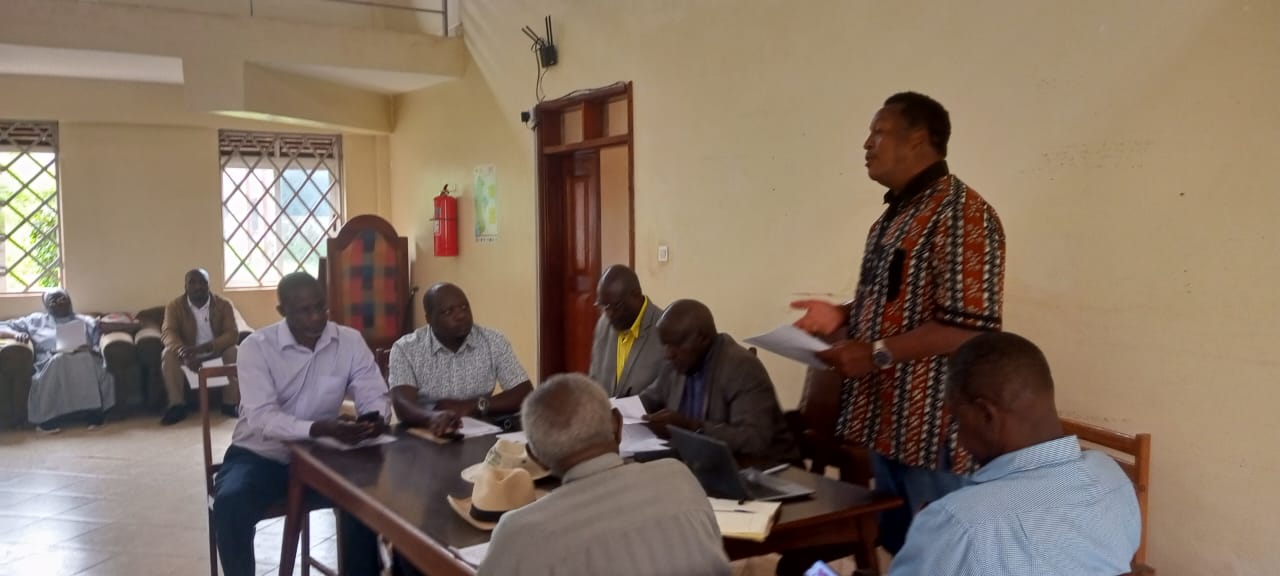
The renewed demand was made last week during a consultative meeting convened under the theme “Kigezi Affirmative Action Development Agenda 2026–2031.” The meeting brought together elders across the Kigezi sub-region.
In the proposed development agenda signed by the Forum’s Chairperson, Sabiiti Timothy Mutebire, and read to delegates by the Forum’s Advisor, Francis Runumi, the elders expressed concern that residents living near the Uganda–Rwanda border in Kabale District, Ntungamo District, Rukiga District, and Kisoro District were heavily affected by the 1994 conflict.
The 1994 genocide in Rwanda triggered insecurity, displacement, loss of property, and economic disruption in communities on the Ugandan side of the border.
At the time, the Government of Uganda reportedly pledged to compensate individuals whose livelihoods were destroyed or severely disrupted by the spillover effects of the war. However, according to the Forum, none of the registered victims has received compensation to date.
“The Government of Uganda established a committee to identify and monitor affected individuals in each district, and their names were duly recorded,” Dr Runumi told participants. Thirty years later, no compensation has been paid to any of those families.” Said Dr. Runumi
Dr Runumi described the prolonged delay as a matter of deep concern and injustice to affected families.
“It has now been 30 years since the government made this promise. Many of the original victims have since passed away. They died without seeing justice or receiving the support that was pledged to them,” he said.
He stressed that the failure to compensate the victims has had long-term social and economic consequences in the region.
“Several families were left destitute. Property was lost, businesses collapsed, and livestock was destroyed. Children who were young at the time grew up in hardship because their parents had nothing left to sustain them,” Dr Runumi explained.
According to the elders, some of the affected families continue to live in poverty, with limited access to education, healthcare, and other essential services.
The Forum is now urging the government to revisit the matter urgently as part of its broader development planning for the Kigezi sub-region.
“We are not raising a new issue. Communities have repeatedly petitioned the government to fulfil this commitment,” Dr Runumi said. “We call upon national leaders to revisit the records of the committee that was established and ensure that compensation is finally paid.”
The elders argued that fulfilling the pledge would restore trust between the government and border communities, many of whom feel forgotten.
Maj. Gen. Mutebire, in his signed remarks, emphasised that addressing historical injustices is critical to sustainable development.
“Development cannot thrive where past grievances remain unresolved,” he noted in the statement. “If we are serious about the Kigezi Affirmative Action Development Agenda 2026–2031, then historical commitments such as this must be honoured.”
The “Kigezi Affirmative Action Development Agenda 2026–2031” outlines key priorities for the sub-region, including infrastructure improvement, enhanced service delivery, youth empowerment, and targeted interventions for historically disadvantaged communities.
Forum members stressed that compensation for genocide-affected families should be treated as a matter of both justice and development.
“This is not merely about money,” Dr Runumi emphasised. “It is about dignity, recognition, and closure for families who have carried this burden for three decades.”
Participants at the meeting resolved to formally submit their recommendations to relevant government ministries and parliamentary representatives, urging swift action.
As the region looks ahead to the 2026–2031 development cycle, elders say the unfulfilled pledge remains a painful reminder of unfinished business, one they believe must be addressed to secure lasting unity and progress along Uganda’s southwestern border.