
Job Namanya | Tayari News
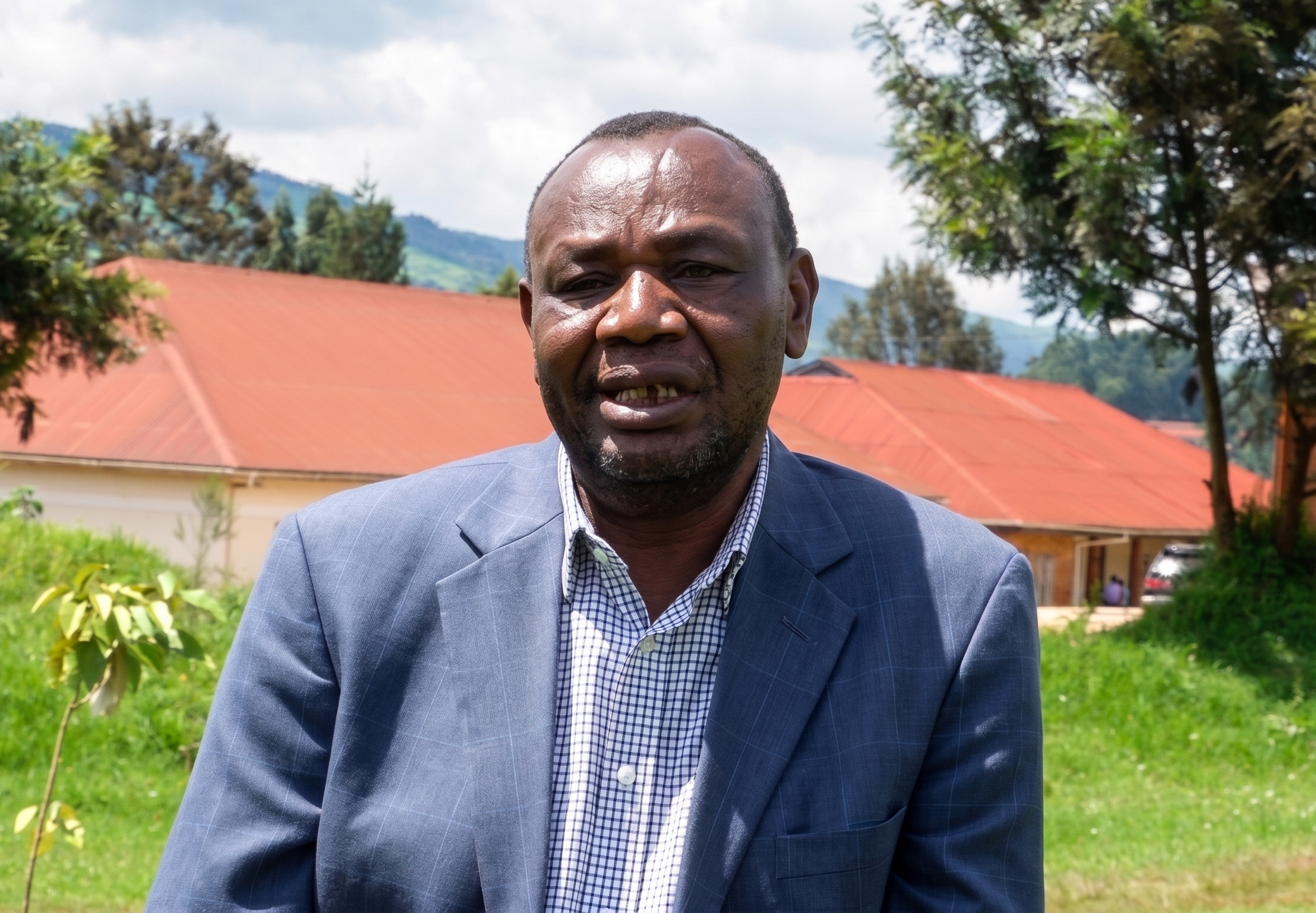
KABALE – A political analyst and lecturer at Kabale University, Prof. Sabiiti Makara, has criticized the manner in which Uganda’s controversial Protection of Sovereignty Bill was processed in Parliament, arguing that ordinary citizens were denied an opportunity to meaningfully participate in debates on a law that directly affects their freedoms and constitutional rights.
Speaking in an exclusive interview with our reporter, Prof. Makara said the hurried passage of the bill by Parliament reflected a growing trend where critical national legislation is passed without adequate public consultation.
“If you look at our Constitution, Article 1 says power belongs to the people. But now they have rushed through a very important bill into an Act without consulting the people,” Prof. Makara said.
The political analyst questioned why the government failed to engage Ugandans through wider consultations before passing legislation that touches on political freedoms, financial rights, civil society operations, and freedom of expression.
“Why can’t they give Ugandans a voice in the bill?” he asked.
Prof. Makara argued that although the ruling National Resistance Movement commands a numerical majority in Parliament, lawmakers should not use that dominance to suppress public debate on controversial national issues.
“Sometimes the majority can be wrong,” he observed.
He said the Protection of Sovereignty Bill should have undergone broader national discussions and even suggested that such an important law deserved a referendum because of its far-reaching implications on citizens’ liberties.
“This particular bill, I think, should have gone for a referendum because it touches many aspects of law which really offend the freedoms of a Ugandan as a Ugandan,” he said.
Despite his criticism of the legislative process, Prof. Makara acknowledged that the proposed law contains important provisions aimed at safeguarding Uganda’s sovereignty and protecting the country from foreign interference.
“The Protection of Sovereignty Bill,I think it has foresight in terms of security, foresight in terms of protecting the nation, foresight in self-independence as a country,” he noted.
He explained that several developed countries such as the United States, United Kingdom and Germany have similar laws intended to protect national interests against foreign interference, especially in matters concerning state security.
According to Prof. Makara, Uganda equally has a right to regulate activities of foreigners operating within the country if authorities suspect actions that could threaten national stability.
“It is not that foreigners should not come to Uganda, but they should come with good intentions; and if the state finds that their intentions are not good, the state would act on them,” he explained.
However, the university lecturer warned that some provisions within the bill could be used to further shrink Uganda’s already narrowing civic and political space.
He said journalists, religious groups, civil society organizations, and ordinary citizens may become vulnerable to increased restrictions under the law.
“We are seeing a narrowing of political space in the country, and this bill that is to become an Act can actually accelerate that narrowing of space,” he warned.
Prof. Makara reminded leaders that the ruling National Resistance Movement came to power promising democracy, freedom of expression, and citizens’ participation in governance.
“There are many small provisions which are even silent you do not easily see them, that are really closing that space where we in the public sphere are,” he said.
Among the provisions he strongly criticized is the requirement for individuals or organizations receiving more than Shs400 million from abroad to seek permission from the Minister of Internal Affairs.
Prof. Makara described the restriction as inconsistent with Uganda’s liberalized economy and growing international financial connections.
“This is a liberalized economy, this is an internationally connected economy, this is a growing economy which should have that freedom for people to take their money anywhere they want,” he argued.
He questioned how Ugandans working abroad or operating foreign bank accounts would freely repatriate money to support their families or invest back home under such restrictions.
“Supposing I have a foreign account? How do I get my money back into the economy to build a house, or fend for my family?” he asked.
The analyst also criticized the severe punishments attached to violations of the law, including prison sentences of up to 20 years.
“How can I get life sentence for repatriating my money? Because 20 years in prison is really life sentence for me at my age,” he said.
Prof. Makara further revealed that earlier drafts of the bill reportedly contained a controversial provision describing Ugandans living abroad as foreigners, a proposal he described as “scandalous.”
“How can you deny a Ugandan citizen his citizenship, his birthright, simply because he lives abroad?” he questioned.
He noted that the clause was eventually removed following public criticism during the early stages of drafting the legislation.
The political analyst also questioned the necessity of introducing another law regulating foreign financial transactions when Uganda already has the Financial Intelligence Authority and the Financial Intelligence Act, which monitor suspicious financial activities.
“We already have the Financial Intelligence Act which requires every person who gets money from abroad and puts it in the bank to explain where he got it,” he said.
Prof. Makara compared the new legislation to the controversial Public Order Management Act, which has often been criticized by opposition groups and human rights activists for restricting freedom of assembly and expression.
According to him, there is a risk that the Protection of Sovereignty law could similarly be used selectively against critics and dissenting voices.
“The state will benefit in a way by pretending they are protecting Ugandans while using those laws to oppress those they don’t like,” he warned.
He urged activists and civil society organizations to challenge controversial provisions in court once the President assents to the bill and it officially becomes law.
“I think activists should take government to court for reinterpretation because some provisions offend the liberty of a Ugandan,” Prof. Makara said.