
Zadock Amanyisa || Tayari News
KAMPALA – The National Environment Management Authority (NEMA) has, on Monday, commenced leading Uganda’s participation in the global Air Quality Awareness Campaign. The campaign will feature country-wide activities running throughout May 2026 under the theme “Clean Air, Healthy Lives: Everyone’s Responsibility.
NEMA Head of Corporate Communications, Naomi Karekaho, in a media statement, said Monday that the observance aligns with the United Nations Global Air Quality Awareness initiative, which is marked annually in the first week of May, and underscores Uganda’s commitment to improving air quality and safeguarding public health.
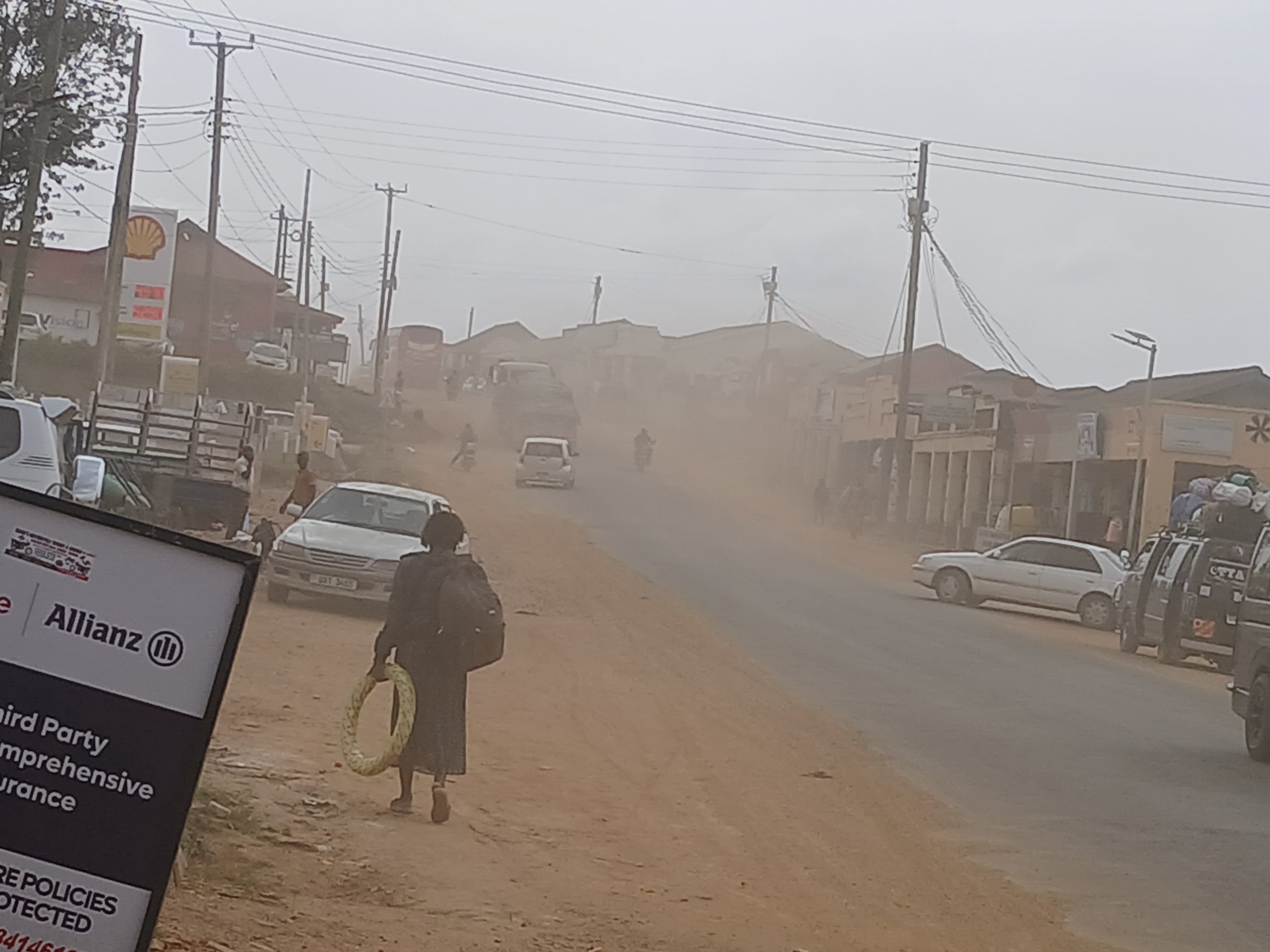
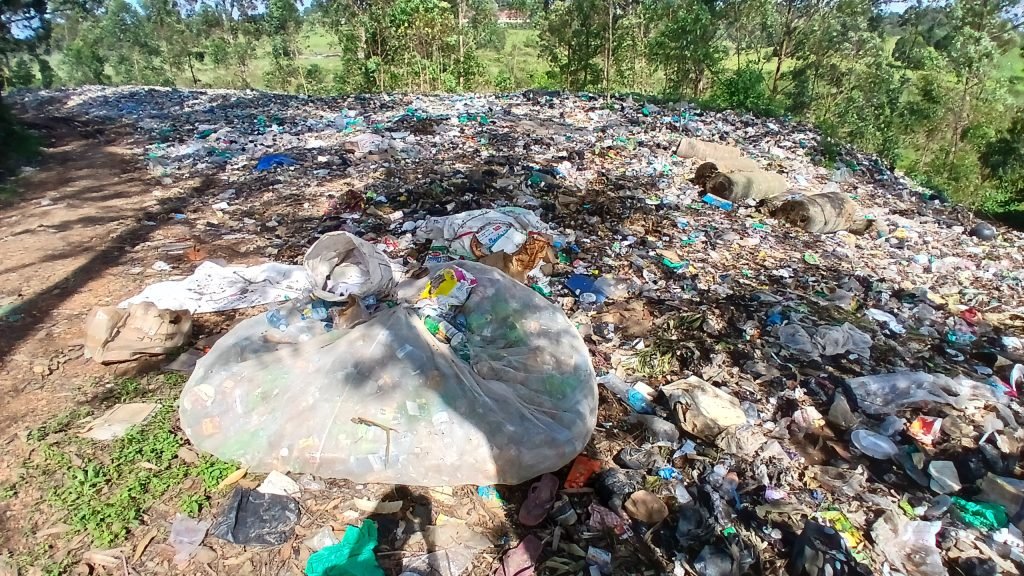
“Air pollution continues to pose a serious environmental and public health challenge in Uganda, particularly in urban centres such as Kampala. It is linked to respiratory and cardiovascular diseases, reduced life expectancy, environmental degradation, and significant economic losses. In response, Uganda is intensifying national awareness and action on clean air through a month-long campaign that combines education, community engagement, and practical interventions.” Read the statement
The campaign, being amplified under the message “Breathe Life, Not Pollution, “encourages individuals, institutions, and communities to take personal responsibility in reducing air pollution, highlighting a nationwide call to action for tree planting, targeting the planting of one million trees across the country as a long-term strategy for improving air quality and increasing green cover.
Throughout the month, NEMA will roll out a series of coordinated activities, including daily digital awareness campaigns on air quality and pollution prevention, radio and television talk shows, public service announcements, and community outreach programmes. These will provide practical guidance on reducing emissions, understanding the Air Quality Index (AQI), and adopting a cleaner lifestyle and transport choices.
“The campaign will also feature tree planting drives in schools, health centres, and urban hotspots, alongside community sensitisation activities targeting transport operators, including boda-boda and taxi associations, on vehicle maintenance and emission reduction. Schools will actively participate through essay and art competitions themed ‘My Dream for Clean Air,’ reinforcing environmental awareness among young people.”
In addition, a high-level stakeholder engagement dubbed ‘Breakfast with the NEMA. The Executive Director will bring together media, academia, civil society, and development partners to officially launch the campaign and share simplified air quality information for public awareness and action.
This year’s observance builds on Uganda’s continued efforts to strengthen air quality governance, following the landmark launch of the Air Quality Regulations in May 2024, which enhanced the country’s regulatory framework for air quality management.
“NEMA calls upon all Ugandans to actively participate in the Air Quality Awareness Month by reducing air pollution at source, avoiding open burning, embracing cleaner energy and transport options, and planting trees as a practical contribution to a healthier environment.” The Monday statement read
According to the United Nations Environment Program(UNEP), Air pollution is the greatest environmental threat to public health globally and accounts for more than 8 million premature deaths every year. Air pollution and climate change are closely linked, as all major pollutants have an impact on the climate and most share common sources with greenhouse gases. Improving our air quality will bring health, development, and environmental benefits.
Residential pollution, mostly from cooking and heating using biomass, and generating electricity from fossil fuels for our homes and transport, are the main human-made sources of fine particles globally. In developing countries, reliance on wood and other solid fuels, like raw coal for cooking, heating and lighting, and the use of kerosene for lighting, increases air pollution in homes. Windblown dust is also a major source in portions of Africa and West Asia that are close to deserts.
Over four million seven hundred thousand people died in 2021 from exposure to fine particulate outdoor air pollution, with the highest death rates occurring in West Asia and Africa. Around 2.4 billion people use polluting fuels for cooking and heating, and around 3.2 million people die early each year from household air pollution, according to the World Health Organisation(WHO).
Air pollution is a major global health crisis and causes one in nine deaths worldwide. Exposure to PM2.5 reduced average global life expectancy by approximately one year and eight months in 2021.
The deadliest illnesses linked to PM2.5 air pollution are stroke, heart disease, lung disease, lower respiratory diseases (such as pneumonia), and cancer. High levels of fine particles also contribute to other illnesses, like diabetes, and can hinder cognitive development in children and also cause mental health problems.