
Enock Ndyamuhakyi | Tayari News
KABALE – Residents in Kabale District have been urged to end stigma and discrimination against people living with mental health conditions, and support them in accessing timely and appropriate medical care.
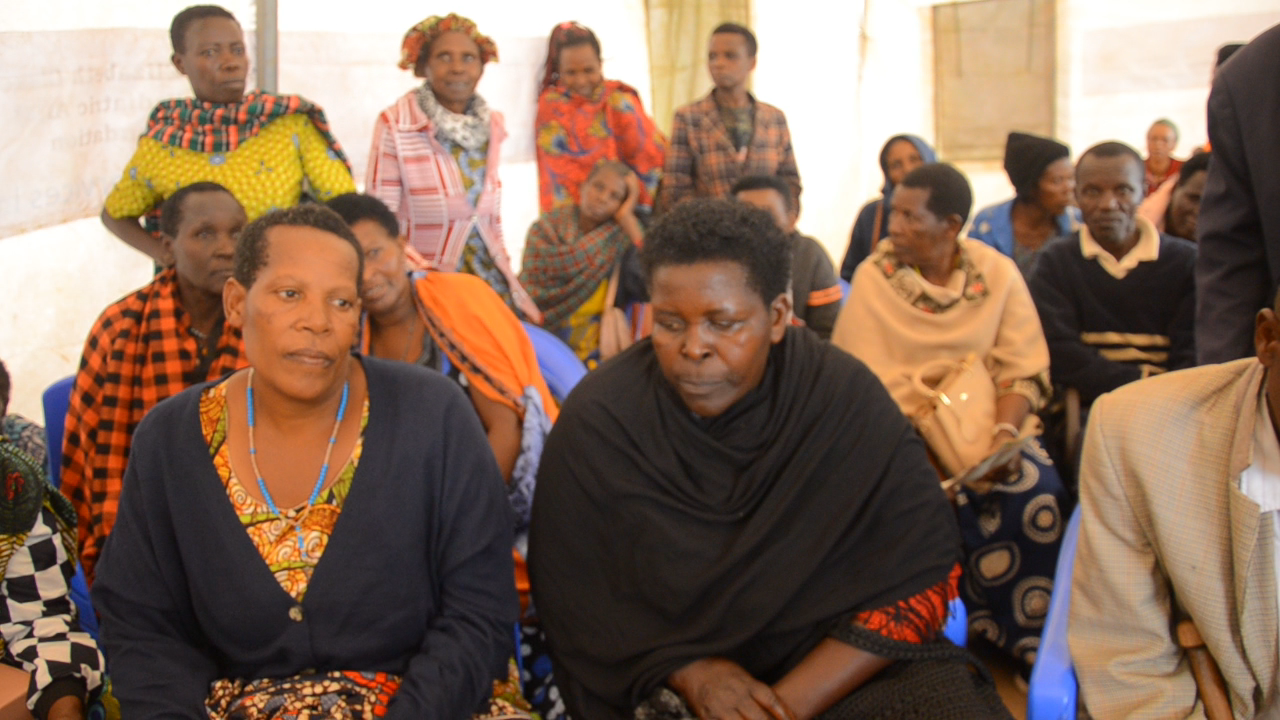
The call was made by the President of the Rotary Club of Kabale City, Dr. Robert Mugarura, during a one-day medical camp held at Maziba Health Centre IV in Maziba Sub-county.
The outreach was organized in partnership with Dfcu Bank and the Kabale District Health Office, aiming to bring essential health services closer to the community.
Dr. Mugarura revealed that a total of 1,073 patients were attended to during the camp, with over 100 cases identified as mental health-related. He noted that although many patients presented with musculoskeletal issues, dental problems, and eye conditions, the number of mental health cases highlighted a growing concern that requires urgent attention.
“Mental health conditions should not be ignored or stigmatized. These are illnesses like any other, and they can be treated if people are taken to health facilities early,” Dr. Mugarura said.
“We must encourage families and communities to support those affected instead of isolating them.”
He emphasized that early diagnosis and treatment play a crucial role in improving recovery outcomes, adding that untreated mental health conditions can have serious social and economic consequences for individuals and families.
Dr. Mugarura further explained that patients who required advanced care were referred to Kabale Regional Referral Hospital for specialized management. He reiterated the Rotary Club’s commitment to supporting community health initiatives, particularly in underserved areas.
The Assistant District Health Officer in charge of Maternal and Child Health, Paddy Mwesigye, commended the Rotary Club of Kabale City for complementing government efforts in delivering healthcare services.
“Partnerships like this are very important because they help us reach more people with services that are sometimes not available at lower health facilities,” Mwesigye said.
“We appreciate Rotary and its partners for supporting the district in ensuring that our communities receive timely and quality healthcare.”
He noted that such outreach programs not only reduce the burden on major health facilities but also create awareness about various health conditions, including mental health, which is often neglected.
The In-charge of Maziba Health Centre IV, Dr. Denis Masiko, described the medical camp as timely and impactful, especially for residents who struggle to access healthcare services due to financial constraints or long distances.
“This medical camp has brought services closer to the people,” Dr. Masiko said. “We have received medicines and services that are not always available at this facility, and this has greatly benefited our patients.”
He added that community-based medical outreaches are essential in improving health outcomes, particularly in rural settings where access to healthcare remains a challenge.
Residents who benefited from the medical camp expressed gratitude to the organizers, noting that the initiative helped them receive free treatment and medication that they would otherwise not afford.
“We are very thankful to the Rotary Club for remembering us,” one of the residents said. “Many of us cannot afford treatment in hospitals, so this camp has helped us a lot.”
Another resident emphasized the importance of regular health camps, saying, “We appeal for more of these services because they help people in villages who cannot easily travel to town for treatment.”
The beneficiaries also acknowledged the inclusion of mental health services, noting that it helped raise awareness about conditions that are often misunderstood in the community.
The medical camp forms part of ongoing efforts by the Rotary Club of Kabale City and its partners to improve access to healthcare and promote community well-being.
Stakeholders believe that such initiatives not only address immediate health needs but also contribute to long-term awareness and prevention strategies.
As the call to end mental health stigma continues, health experts stress that community support, early intervention, and increased access to services are key to addressing the growing burden of mental health conditions in Uganda.
The Rotary Club and its partners have pledged to continue organising similar outreaches in the future, with a focus on reaching more vulnerable populations and strengthening community health systems across the district.