
Enock Ndyamuhakyi | Tayari News
KABALE – Timber traders operating in Kigongi A Cell in Kabale Municipality have raised alarm over deteriorating sanitation and infrastructure conditions in their business area, warning that the situation poses serious health risks and threatens their livelihoods.
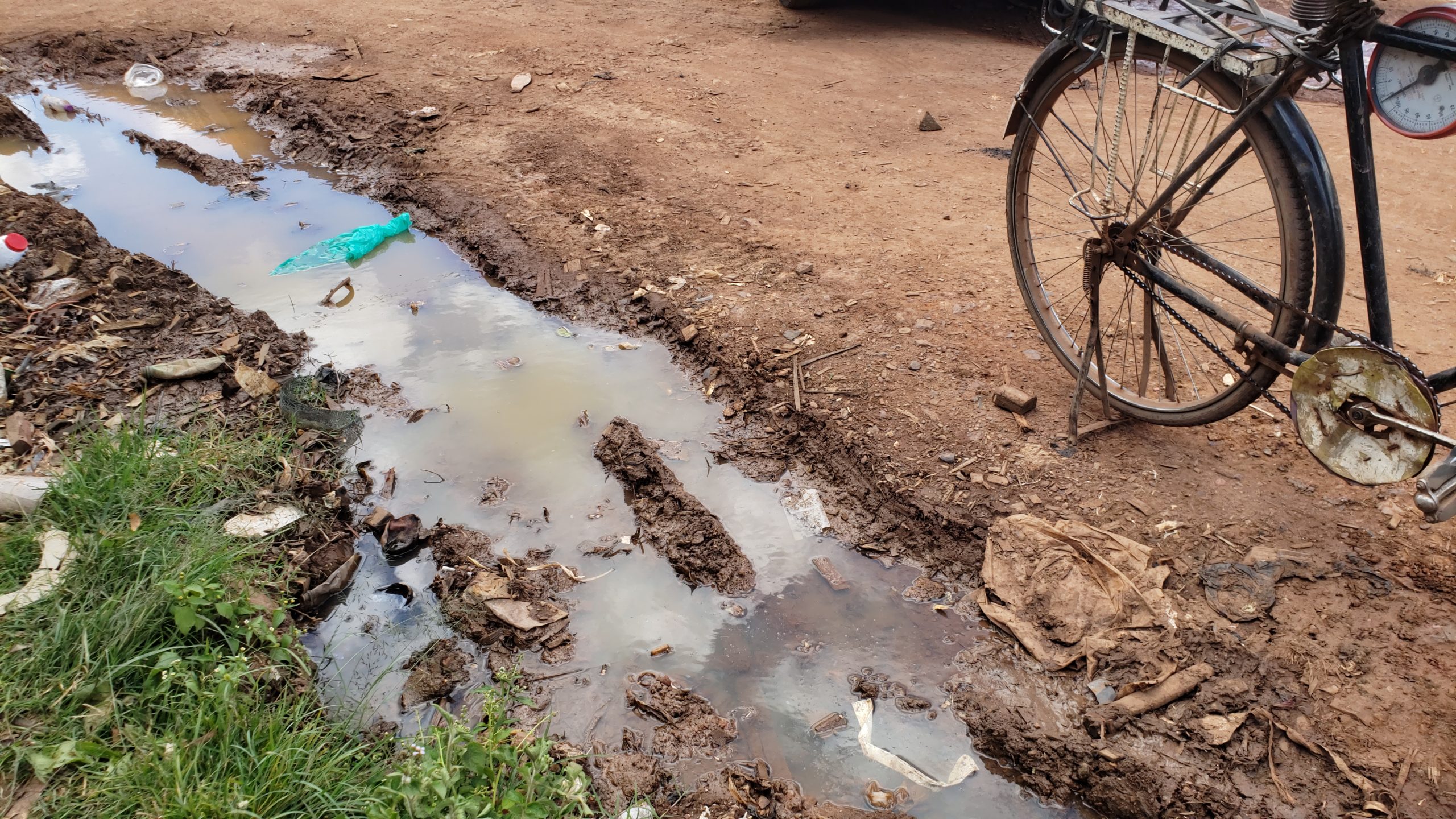
The traders, who conduct their operations in Kigongi Division, cited the absence of a pit latrine, poor drainage systems, and an impassable road network as major challenges affecting their daily work.
In an interview with this reporter, traders, including Alex Mugisha and Abudala Niwagaba expressed frustration, noting that despite faithfully paying taxes to the municipal council, they continue to operate in an environment that is unsafe and unhygienic.
“We are working in very difficult conditions. There is no toilet here, no proper drainage, and the roads are in a terrible state,” Mugisha said. “Yet we are expected to pay taxes like everyone else.”
The traders revealed that the lack of sanitation facilities has forced many of them to resort to unsafe waste disposal methods, including the use of polythene bags and nearby drainage channels. This, they said, has resulted in a persistent stench in the area and increased fears of disease outbreaks.
Niwagaba added, “Sometimes we have no choice but to use polythene bags or look for hidden corners. It is not safe, and it is not dignified. We are exposed to diseases every day.”
Others noted that the situation has forced them to incur additional costs, as they are compelled to seek toilet services from nearby bars and hotels.
“We spend money every day just to use a toilet in nearby places. This reduces our profits and makes business even harder,” another trader explained.
The Chairman of the Timber Operators, Richard Monday, acknowledged that the Kabale Municipal Council had allocated them space to operate but stressed that more needs to be done to improve conditions.
“We appreciate the council for giving us this place, but the sanitation situation is very bad. We urgently need a pit latrine, proper drainage, and a standard road that can handle heavy trucks,” Monday said.
He emphasized that the area hosts a significant number of traders who have repeatedly requested basic sanitation facilities, adding that they are willing to cooperate with authorities and even contribute to maintenance costs.
“As traders, we are ready to work with the council. We can contribute towards maintaining the facilities, including paying user fees, but we need immediate intervention,” he added.
Monday also highlighted the poor state of the road network, noting that it becomes nearly impassable during rainy seasons, making it difficult for trucks to transport timber.
“The road is a big challenge, especially when it rains. Trucks get stuck, and this affects our business operations,” he said.
In response, the Deputy Town Clerk of Kabale Municipal Council, Erick Sunday, acknowledged the traders’ concerns but explained that their current location presents legal and planning limitations.
“We understand the challenges these traders are facing, but they are currently operating in a temporary gazetted area,” Erick said.
He revealed that the municipal council has plans to relocate all timber traders within the municipality to Igabiro, where a more suitable and permanent site has been designated.
“At Igabiro, we have secured a larger piece of land where traders will be properly organized. The area will have permanent sanitation facilities and will also be fenced to improve security,” he explained.
Sunday further clarified that constructing a toilet at the current site is not permissible under existing regulations.
“The place where they are operating is a gazetted road reserve. It is designated for road development and also for a sewer line under the National Water and Sewerage Corporation. Because of this, we cannot put up permanent structures like toilets,” he said.
He added that while the council recognizes the poor state of the road network, upgrading it remains part of a long-term plan.
“Improving infrastructure in that area is in our plans, but it will take time. In the meantime, relocation remains the most viable solution,” Sunday noted.
Despite the council’s assurances, traders remain concerned about the timeline for relocation and are calling for interim solutions to address the immediate sanitation crisis.
The situation highlights the broader challenges facing small-scale traders in urban areas, where rapid growth and limited infrastructure often outpace planning. For the timber operators in Kigongi, the hope is that swift action will be taken to ensure a safer and more dignified working environment.