
Job Namanya | Tayari News
KABALE – In the steep, terraced hills of Kabale District, where narrow footpaths wind through valleys and ridges, the pursuit of education begins long before the first lesson is taught.
Each morning, children from Kahama Village in Kafunjo Parish, Buhara Sub-county, set off before sunrise, trekking for up to two hours to reach Bwera Primary School. The journey is physically demanding, often leaving pupils exhausted even before they step into a classroom.
For some learners, particularly boys, the daily climb has proven too difficult to sustain, contributing to irregular attendance and, in some cases, early dropout in favor of small income-generating activities.
School left behind
Established in 1983, Bwera Primary School has for decades struggled under the weight of isolation and limited infrastructure. With no proper road access, the school has remained largely cut off from development, making it difficult to transport building materials or attract contractors willing to work in such conditions.
As a result, generations of pupils have studied in overcrowded classrooms, temporary structures, or spaces vulnerable to harsh weather. The learning environment has often been described as unsafe and unconducive, affecting both academic performance and morale.
Head teacher Edson Bikorwomuhangi has witnessed these challenges firsthand.
“We have been grappling with a shortage of essential learning facilities. Pupils have had to study in conditions that are not only uncomfortable but also unsafe, especially during the rainy season,” he explained.
He also raised concerns about teacher welfare, noting that the staff accommodation is in poor condition. His own residence is dilapidated, forcing him to commute long distances to school—an arrangement that affects administration and limits effective supervision.
Voices from the Community
Frustration over the state of the school has been building within the community for years. Parents and local leaders have repeatedly called for urgent intervention, citing the impact on their children’s future.
The PTA Chairperson William Turyatunga, alongside residents Christina Kabasa and Augustine Bagyenyi, expressed concern over what they described as prolonged neglect.
They pointed to the poor road network as the primary obstacle to development, explaining that the lack of accessibility has made it nearly impossible to deliver construction materials to the school.
“The situation has affected both learners and teachers. There is limited supervision, inadequate facilities, and low morale.,” one resident noted.
Acknowledging the challenge
Local authorities have acknowledged the difficulties facing the School and the broader community.
The LC3 Chairperson of Buhara Sub-county, Joseph Baryamujura, confirmed that previous plans to upgrade the school had stalled due to logistical barriers.
“We had plans to improve the school but the poor road network made it difficult to transport materials, which halted progress,” he said,
Similarly, the Kabale District Education Officer, Moses Tumwijukye Bwengye, revealed that efforts to secure a contractor had failed.
“A contractor was identified but later withdrew after failing to access the site due to the terrain and road conditions,” he explained.
A breakthrough partnership
A turning point came through a collaborative effort involving dfcu Bank, the Mastercard Foundation, and Makerere University.
Recently, the partners officially handed over newly renovated facilities at the school, marking a significant milestone in efforts to improve education access in hard-to-reach areas.
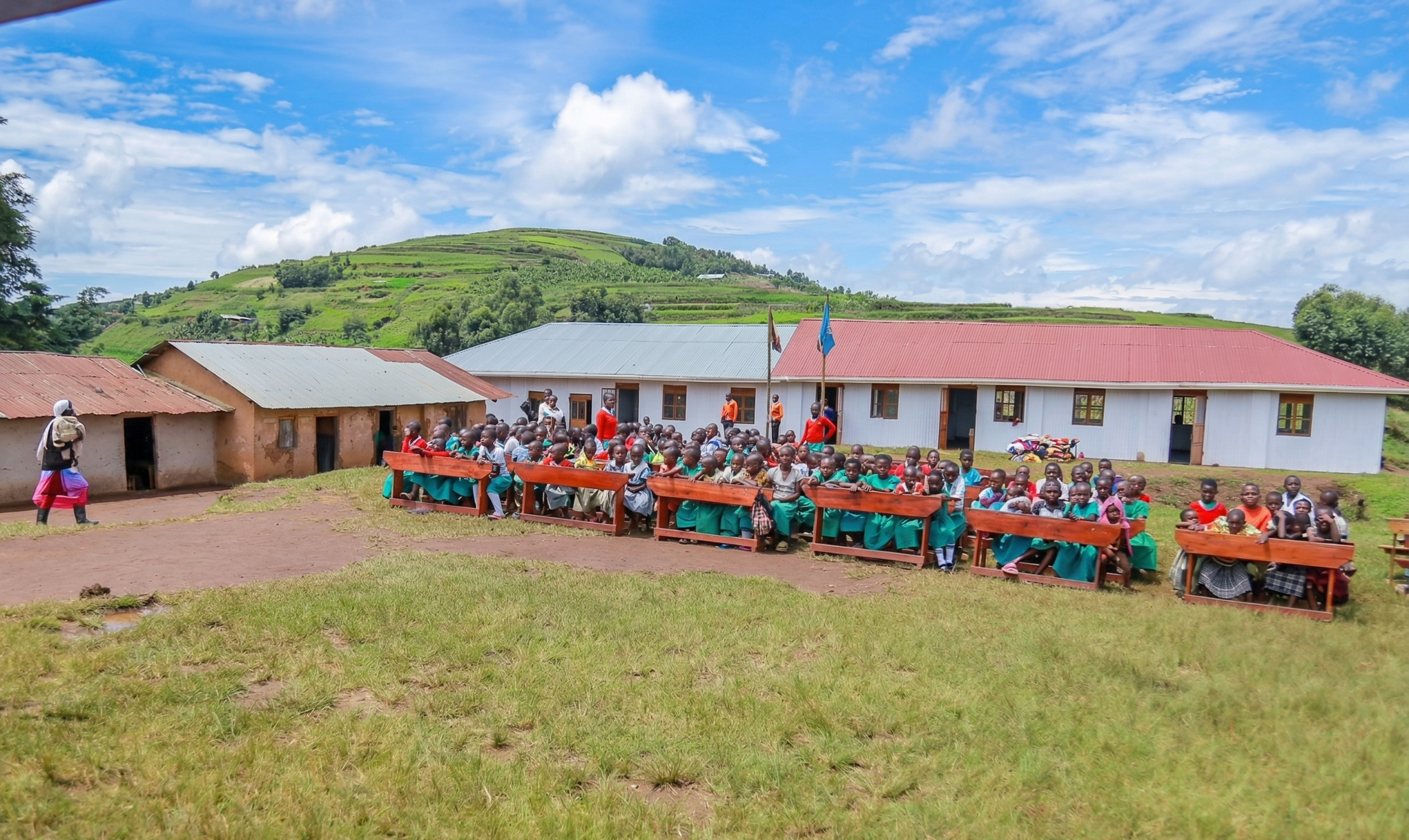
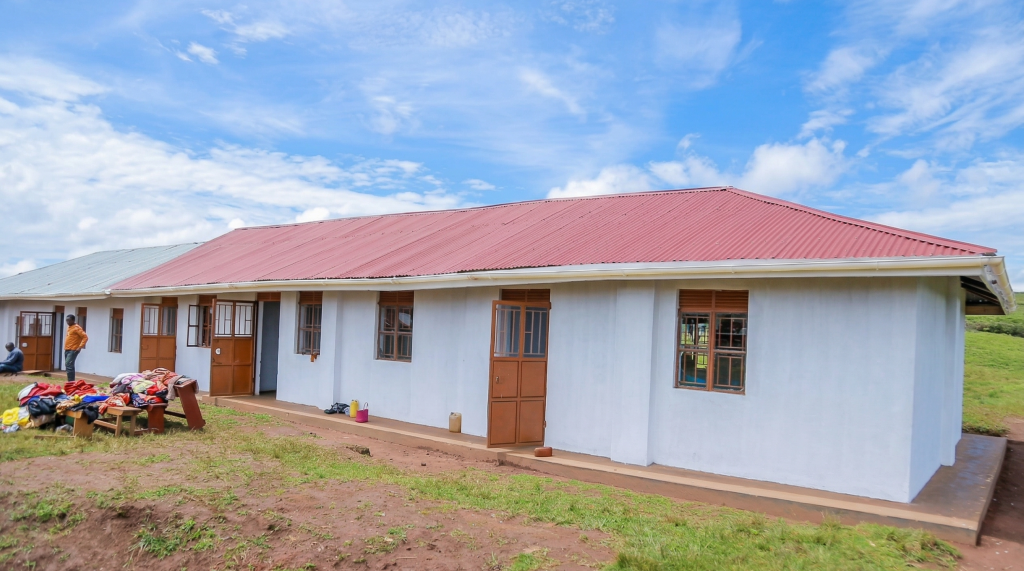
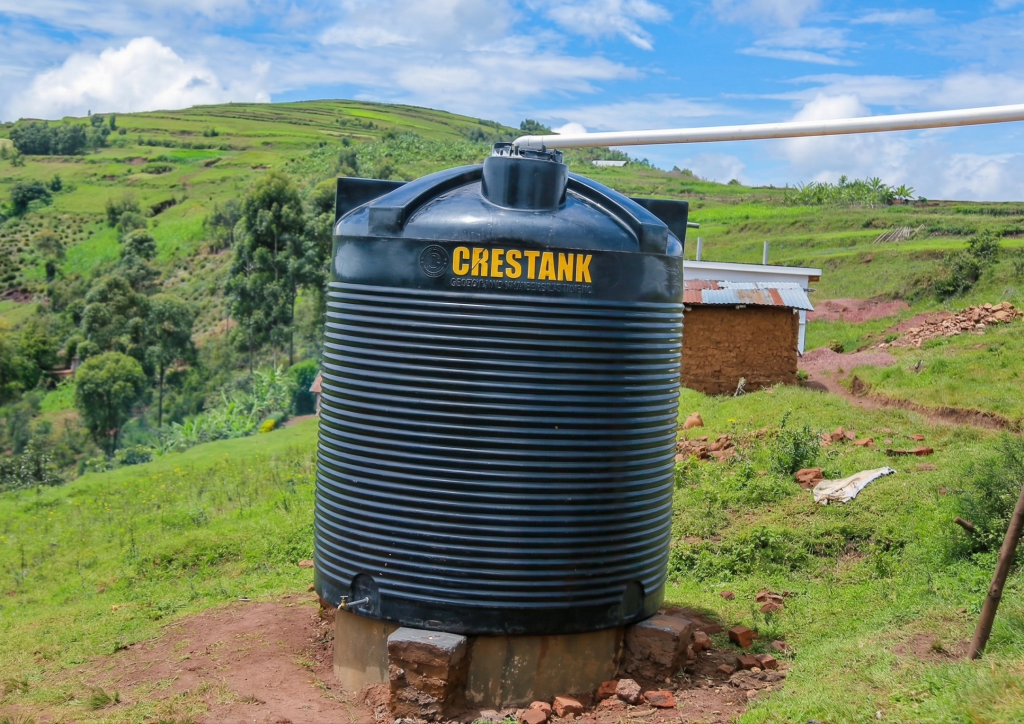
The project delivered a refurbished four-classroom block, new desks and furniture, improved sanitation facilities, and a rainwater harvesting system. The upgrade is now benefiting more than 270 pupils.
Restoring dignity in learning
The transformation has already begun to change daily life at the school. Classrooms that were once overcrowded and poorly equipped now provide a more structured and welcoming learning environment.
Improved sanitation facilities and access to clean water are enhancing hygiene, while new furniture has replaced makeshift seating arrangements that previously hindered learning.
Teachers report increased attendance and improved concentration among pupils, early indicators of the project’s impact.
Voices of commitment
Speaking at the commissioning ceremony, Helena Mayanja, Head of Corporate Affairs and Sustainability at dfcu Bank, emphasized the importance of addressing structural barriers to education.
“The journey these children make every day reflects the realities they face Improving infrastructure is essential to ensuring that access to education translates into meaningful learning outcomes,” she said.
Bwengye commended the partnership, noting that it had succeeded where previous efforts had stalled.
“This development shows that partnerships can unlock progress in even the most hard-to-reach communities,” he said.
Beyond access to education
Uganda has made significant strides in expanding access to education through the Universal Primary Education (UPE) program. However, as the situation at Bwera Primary School illustrates, access alone is not enough.
The quality of infrastructure, availability of resources, and welfare of teachers all play a critical role in shaping educational outcomes particularly in rural and isolated communities.
Community looks ahead
While the renovation marks a major step forward, community members emphasize that more needs to be done. Improving road access remains a top priority, as it will not only support further development at the school but also enhance access to other essential services.
Teacher accommodation is another pressing need, with stakeholders calling for investment to ensure that staff can live closer to the school and provide consistent support to learners.
Today, the School stands as a symbol of what is possible when partnerships align with community needs. The refurbished classrooms, improved facilities, and renewed sense of purpose are already reshaping the educational experience for hundreds of children.
For pupils who continue to climb the hills each day, the journey to school remains challenging. But with a safer, more supportive learning environment now in place, that journey carries new meaning and a stronger promise of a better future.