
Job Namanya | Tayari News
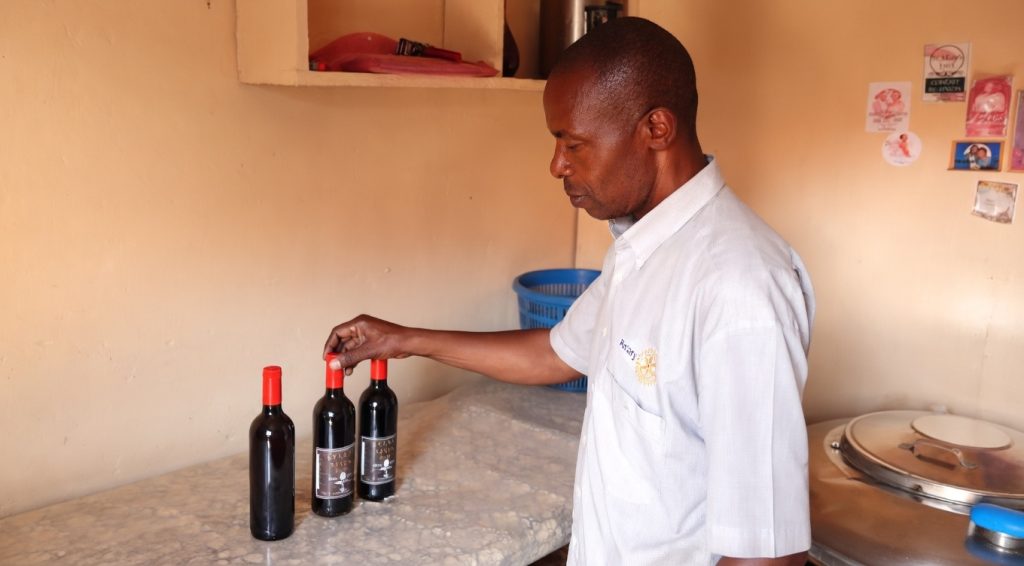
KABALE – On the misty slopes of Rugarama Hill in Northern Division, Kabale Municipality, the scent of fermenting fruit lingers in the air as Canon Hillary Byoruganda carefully checks on a fresh batch of wine. Inside his modest processing unit, plastic drums line the walls, each holding the promise of a thriving local enterprise built on the abundance of Kigezi’s fertile soils.
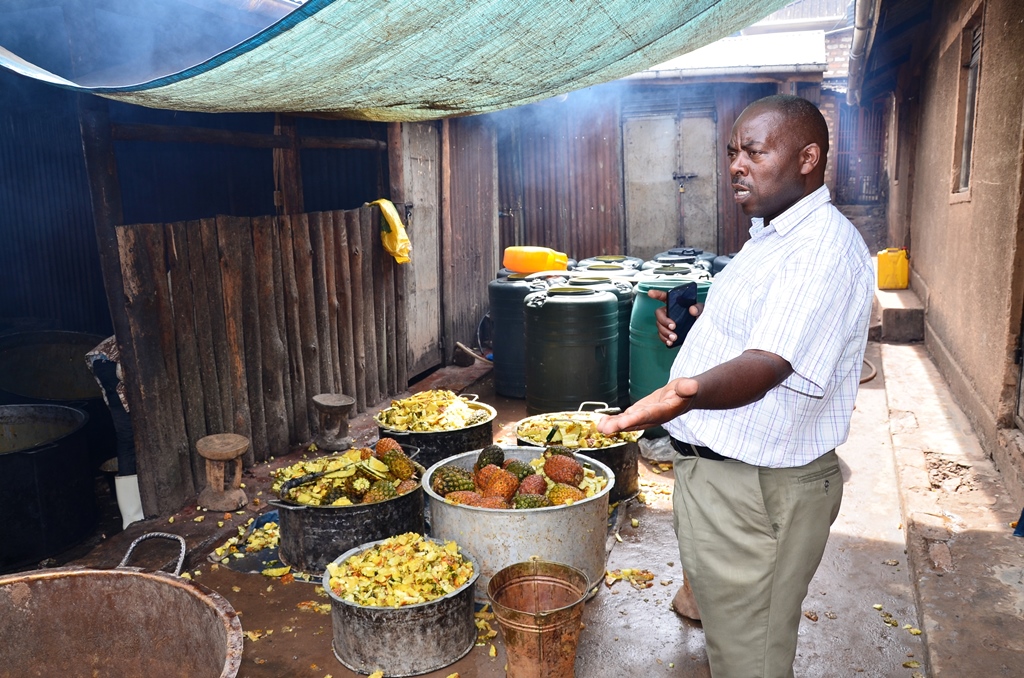
For six years, Byoruganda has been producing fruit wine under his brand, Estate Seven Wines. His journey into agro-processing was inspired by a simple but powerful observation: the region produces vast quantities of fruits, pineapples, apples, and bananas, yet much of it goes to waste due to limited value addition.
“I saw an opportunity to turn what we already have into something more valuable. Instead of selling raw fruits cheaply or letting them rot, we can process them and earn more,” he says.
But behind the promise of value addition lies a frustrating reality. Despite registering his business with the Uganda Registration Services Bureau and undergoing training with institutions like the Ministry of Agriculture and development partners such as TechnoServe, Byoruganda has not yet secured certification from the Uganda National Bureau of Standards.
Without this certification, his products cannot legally access wider markets.
“We have done everything possible to ensure hygiene and quality production. We clean the fruits properly, we handle the juice carefully, and we follow the right processes. But without UNBS certification, our hands are tied,” he explains.
A region ripe for Agro-processing
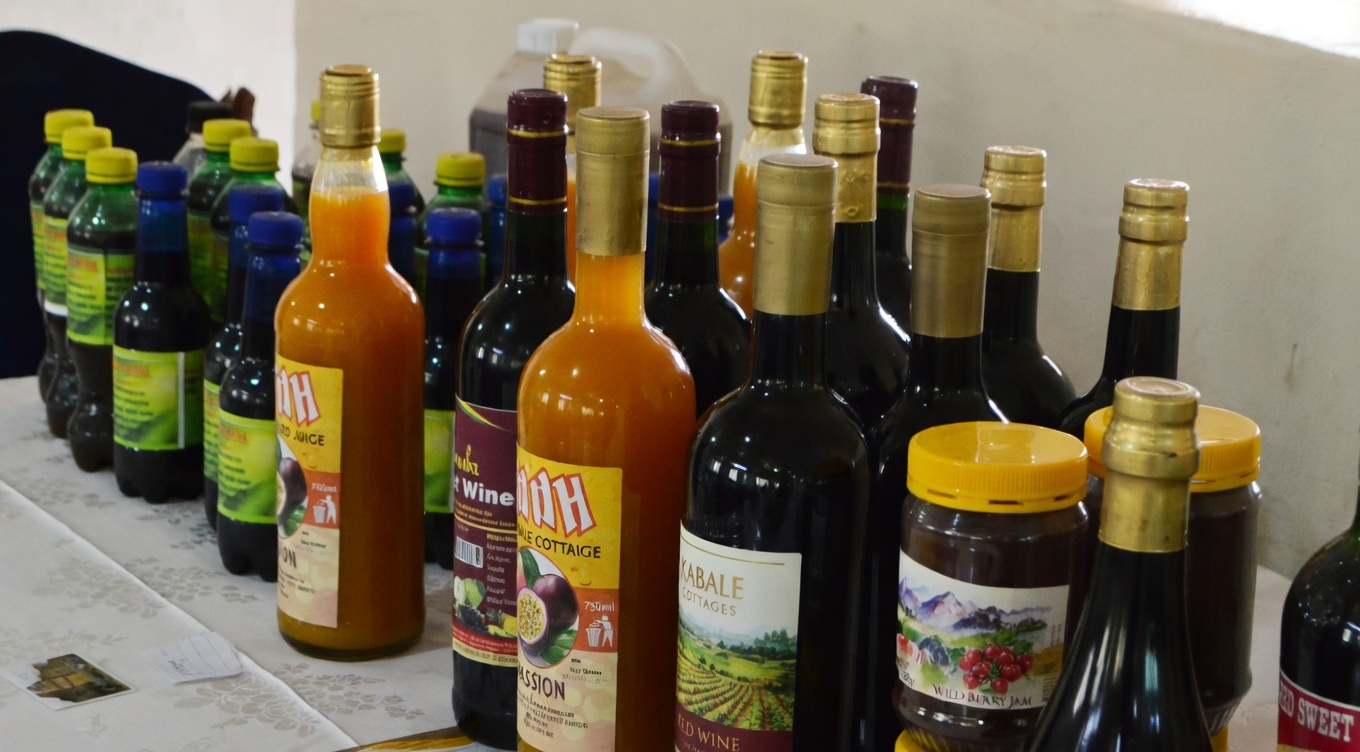
Kabale and the wider Kigezi sub-region are increasingly emerging as hotspots for cottage industries, particularly in agro-processing. The region’s favourable climate supports the production of a variety of fruits and crops, making it ideal for small-scale manufacturing of juices, wines, jams, and other “from garden to jar” products.
According to Kabale District Commercial Officer Erasmus Natumanya, the district has recorded over 400 cottage industries. These enterprises range from informal home-based processors to more structured small businesses attempting to break into formal markets.
However, only about 100 of these businesses are officially recognised after meeting registration and standardization requirements.
“The majority are still operating informally. We try to mobilise and guide them, but many face challenges in meeting the requirements, especially certification from UNBS,” Natumanya says.
The gap between those who are compliant and those who are not has created a divided sector, one that reflects both opportunity and risk.
“The few who have acquired certification are benefiting from access to bigger markets, both locally and regionally. But those without certification remain stuck in small, informal markets,” he adds.
Distance, cost, and the burden of compliance
One of the biggest barriers to certification, according to producers, is accessibility. For entrepreneurs in Kabale, the nearest UNBS regional office is located in Mbarara, several hours away.
This distance translates into transport costs, lost time, and bureaucratic hurdles, factors that discourage many small-scale producers from even beginning the certification process.
“Travelling to Mbarara multiple times is expensive, and the process itself takes time. For a small business, that is a big burden,” Byoruganda says.
In addition to logistical challenges, the cost of certification itself is prohibitive for many startups. Industry experts estimate that acquiring and maintaining certification can cost up to Ushs. 915,000 annually, an amount that many cottage industry operators simply cannot afford.
This has created a situation where some producers knowingly bypass certification, choosing instead to operate informally.
Information gap
While cost and distance are visible barriers, officials at UNBS say the biggest challenge is less obvious: lack of knowledge.
According to UNBS Deputy Executive Director in charge of standards, Patricia Bageine Ejalu, many micro, small, and medium enterprises (MSMEs) lack basic awareness of the standards and regulations governing their products.
“The number one challenge that small MSMEs experience is a lack of knowledge. They do not know much about standards, and they do not know much about the regulations that govern the products they are making,” she says.
This knowledge gap often leads to conflict between producers and regulators. Many entrepreneurs begin selling their products without certification, only to encounter enforcement teams later.
“They end up encountering UNBS as a regulator rather than a trade facilitator. This is because they are found in the market selling products that should have been certified before being sold,” Ejalu explains.
Even when producers attempt to comply, they often struggle to understand the technical requirements of certification.
“They do not know what they need to do to meet the standards, so the problem is not just a lack of awareness, but also a lack of understanding of the requirements,” Ejalu adds.
Food safety at risk
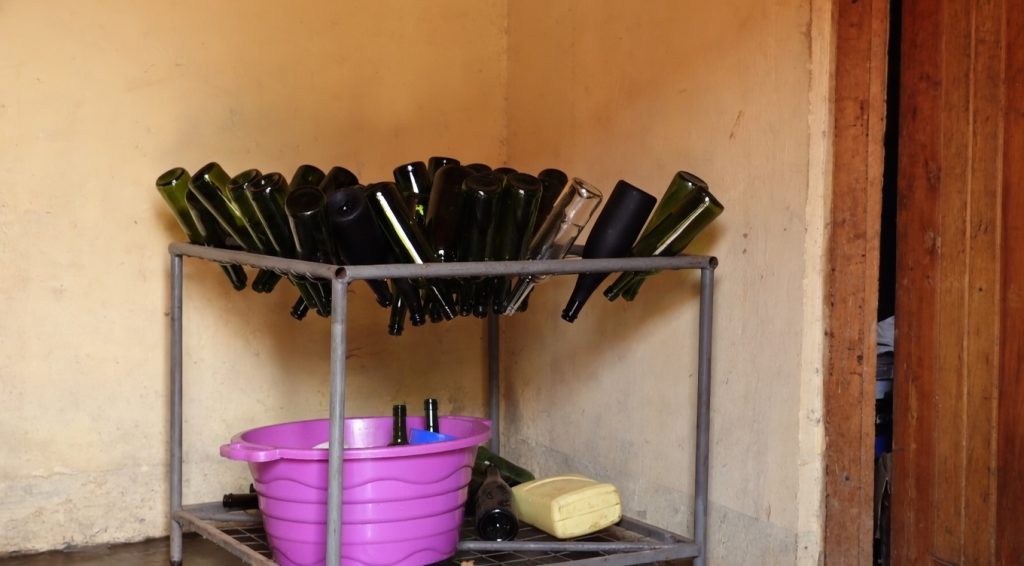
As the number of cottage industries grows, so do concerns about food safety.
According to Siya Balaam Jeffer, a Certification Officer at UNBS, uncertified products on the market pose significant risks to consumers.
“We see many cottage industries coming up, especially dealing in food products. But some of them have found their way into the market without certification. That is dangerous because you cannot tell whether the product is safe or unsafe,” he says.
UNBS serves as the country’s quality gatekeeper, ensuring that products undergo rigorous testing before reaching consumers. Certification confirms that a product meets established safety and quality standards.
Without this process, consumers are left vulnerable.
“By the time a product is certified, it means tests have been done, and it is safe for consumption. Without that assurance, there is uncertainty,” Balaam explains.
A culture of compromise
The compliance challenge, however, is not solely the responsibility of producers or regulators. Balaam points to a broader cultural issue involving consumers as well.
“The consumer will buy any product without caring whether it is certified or not. Our priority is usually price,” he says.
This demand for cheaper products creates pressure on producers to cut costs, sometimes at the expense of safety and quality.
“Producers are trying to survive like any other business, but some are cutting costs in ways that compromise food safety,” Balaam explains.
He also notes that many small-scale producers lack a strong food safety culture, focusing more on profit than on protecting consumers.
Lessons from the past
Concerns about standards in Kabale’s cottage industry are not new.
In February 2021, municipal authorities carried out a crackdown on unregulated food and beverage producers, shutting down two pineapple wine factories, Rugogamu Enterprises and JK Pineapple Wine.
The operation followed complaints from consumers about unsafe production conditions. Inspectors found that both facilities were operating without UNBS certification and had failed to meet basic hygiene and labeling standards.
The crackdown also exposed deeper issues, including poor production practices, lack of ingredient transparency, and even cases of child labour.
At the time, authorities emphasised the need to protect consumers and restore confidence in local products.
Yet years later, the same challenges continue to resurface.
Bridging the gap
In response to these challenges, UNBS is working to improve access to information and services.
Ejalu says the bureau is collaborating with local governments, particularly district commercial officers, to bring information closer to producers.
“We are training district commercial officers so they can provide the same information you would get at UNBS,” she says.
This approach aims to bridge the gap created by the absence of local UNBS offices in regions like Kigezi.
At the same time, efforts are underway to decentralise laboratory services. While major testing facilities are currently located in cities like Mbarara and Gulu, plans are in place to expand these services to more regions.
UNBS is also exploring partnerships with private laboratories to increase testing capacity and reduce the burden on producers.
Beyond certification
While certification is critical for safety and market access, it is not a complete solution to the challenges facing cottage industries.
Ejalu emphasises that UNBS’s role is limited to ensuring product safety and fair trade.
“Our mandate is to ensure that your product is safe and meets standards. Marketing is not our role,” she says.
For businesses to grow, entrepreneurs must seek support from other institutions, including government trade agencies and private sector associations.
Turning point
Back in Rugarama, Byoruganda remains hopeful.
Despite the challenges, he continues to produce wine, refine his processes, and pursue certification.
“I believe this business has a future. If we can get the right support and meet the standards, we can compete not just locally but beyond,” he says.
His story reflects the broader potential of Kabale’s cottage industry sector, a sector that holds the promise of economic transformation, job creation, and value addition.
But it also highlights the risks of unchecked growth.
As more entrepreneurs turn to agro-processing, the need for stronger regulation, better awareness, and improved access to certification becomes increasingly urgent.
For now, the jars and bottles lining Kabale’s small factories represent both opportunity and uncertainty, a reminder that the journey from garden to market is not just about production, but about trust, safety, and standards.