
Enock Ndyamuhakyi | Tayari News
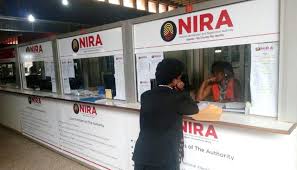
KABALE – Authorities at the Kabale District offices of the National Identification and Registration Authority (NIRA) have raised a concern over the growing number of uncollected national identity cards at their collection centre.
According to NIRA, about 45,000 newly printed IDs are still lying idle at their offices waiting to be picked up by their rightful owners.
The cards are currently being kept at the NIRA district offices, where officials say they have been making efforts to encourage residents to collect them.
The Greater Kabale NIRA Registrar, Billy Basulwa, told Tayari News that despite months of distribution exercises, thousands of residents have not yet returned to pick up their national identification cards, causing a backlog at the office.
Basulwa explained that the current issuance exercise for the new national identity cards began in October last year, targeting residents who had registered earlier during the national registration and renewal program. Still, since the start of the distribution exercise, the Kabale NIRA office has only managed to hand over about 18,000 cards to their rightful owners, leaving a significantly larger number still waiting to be collected.
“We have about forty-five thousand national IDs that are ready and waiting for their owners, but people are not coming to collect them,” Basulwa said.
He noted that many of the uncollected cards belong to residents who participated in the mass registration exercise conducted between May and June, during which thousands of people across the districts of Kabale, Rukiga, and Rubanda applied for new IDs or renewed their old ones.
He urged residents who registered during that period to take the initiative and visit the NIRA offices to collect their cards, emphasising that the documents are already printed and ready for use, stressing that the national identity card is an essential document that plays a critical role in accessing many services, including financial transactions, telecommunications services, and government programs.
“The IDs are ready. People only need to come to the office and pick them up,” he said.
According to Basulwa, the delay in collecting the cards is partly due to the changes that occurred in the distribution system. Previously, the National Identification and Registration Authority used to conduct community outreach programs in various sub-counties and divisions to deliver IDs closer to residents.
These outreach exercises were supported by funding that allowed officials to travel to local communities and distribute cards directly to applicants.
However, Basulwa revealed that the outreach programs are no longer being conducted due to the end of that funding support. As a result, the distribution process has now been centralised at the district offices.
“Before, we were sponsored to move to different sub-counties and divisions to deliver the cards, but now people have to come to the district offices to collect them,” he explained.
The registrar said that while the office remains open and ready to serve residents, many people may still be expecting the outreach teams to return to their communities, which could partly explain the slow pace of collection.
Basulwa, therefore, appealed to local leaders, community mobilizers, and village authorities to help spread the message and encourage residents to collect their IDs.
He warned that leaving such important documents unclaimed for long periods could create unnecessary challenges for individuals who later require them for urgent services.
“Leaders in the communities should help us sensitise residents so that these IDs do not remain idle at our offices,” Basulwa added.